



Have you ever washed your face, enjoyed that fresh and clean feeling, only to notice an oily shine returning within a couple of hours? If so, you're not alone. Many people with oily and acne-prone skin struggle with excess oil production even after using a face wash regularly.
The surprising truth is that your skin may not be producing extra oil because it's naturally oily. In many cases, harsh cleansing, dehydration, skin barrier damage, or using the wrong skincare products can actually make oiliness worse.
In this guide, we'll explain why your face gets oily again so quickly after washing, the science behind sebum production, and how choosing the right cleanser for oily skin can help restore balance.
Is It Normal for Your Face to Get Oily Again After Washing?
Yes, some oil production after cleansing is completely normal.
Your skin contains sebaceous glands that produce sebum, a natural oil that protects the skin, prevents moisture loss, and supports a healthy skin barrier. Depending on your skin type, oil can begin returning within one to three hours after washing.
However, if your skin becomes excessively shiny very quickly, it may indicate:
- Over-cleansing
- Skin barrier damage
- Dehydration
- Hormonal fluctuations
- Using the wrong skincare products
Understanding the root cause is the first step toward effective oil control.
The Science Behind Sebum Production
What Is Sebum?
Sebum is a natural oily substance produced by sebaceous glands beneath the skin. While many people associate sebum with acne and shine, it actually serves several important functions.
Sebum helps:
- Protect the skin barrier
- Prevent water loss
- Maintain skin flexibility
- Support the skin microbiome
Without sufficient sebum, the skin can become dry, irritated, and more vulnerable to environmental damage.
Why Skin Needs Oil
Many people try to eliminate oil completely, especially if they have an oily T-zone. Unfortunately, stripping away all natural oils often triggers the skin to produce even more sebum to compensate.
This creates a cycle of:
Over-cleansing → Dryness → Increased Oil Production → More Cleansing
Factors That Influence Oil Production
Several factors affect how much oil your skin produces:
- Genetics
- Hormonal changes
- Stress
- Climate and humidity
- Skincare habits
- Diet and lifestyle choices
7 Reasons Your Face Gets Oily Again So Fast
1. You're Using a Harsh Face Wash
Many cleansers contain strong detergents that remove too much oil from the skin.
Signs:
- Tightness after washing
- Dry patches
- Increased shine within hours
- Skin sensitivity
Solution:
Choose a gentle cleanser for oily skin that removes dirt, sweat, and excess oil without stripping the skin barrier.
2. Your Skin Barrier Is Damaged
The skin barrier acts as your skin's protective shield. When it becomes damaged, moisture escapes more easily, causing the skin to compensate by producing more oil.
Signs:
- Redness
- Irritation
- Flakiness
- Excessive oiliness
Solution:
Use a balanced skincare routine that focuses on hydration and barrier support.
3. You're Washing Your Face Too Often
Washing your face multiple times a day may seem helpful, but it often backfires.
Frequent cleansing removes protective oils repeatedly, encouraging sebaceous glands to work harder.
Solution:
Most dermatologists recommend cleansing:
- Once in the morning
- Once at night
- After excessive sweating
4. You're Skipping Moisturizer
One of the biggest skincare myths is that oily skin doesn't need moisturizer.
In reality, dehydrated skin can produce even more oil in an attempt to compensate for lost moisture.
Solution:
Use a lightweight, non-comedogenic moisturizer designed for oily and acne-prone skin.
5. You're Using the Wrong Skincare Products
Products that contain heavy oils, excessive alcohol, or irritating ingredients can worsen shine and breakouts.
Solution:
Look for:
- Non-comedogenic formulations
- Oil-free skincare products
- Lightweight textures
- Ingredients that support sebum control
6. Hormonal Fluctuations
Hormones play a major role in excess sebum production.
Changes during puberty, menstruation, stress, and other hormonal shifts can increase oil production significantly.
Signs:
- Sudden oiliness
- Jawline acne
- Recurring breakouts
Solution:
Maintain a consistent skincare routine and focus on gentle cleansing.
7. Environmental and Lifestyle Factors
Your surroundings and habits influence how oily your skin appears.
Common triggers include:
- Hot weather
- High humidity
- Lack of sleep
- Stress
- Touching your face frequently
Solution:
Maintain healthy lifestyle habits and use products that help manage oil without causing irritation.
Signs Your Cleanser Is Making Oiliness Worse
Your cleanser may be contributing to excess oil production if you notice:
✔ Tight skin immediately after washing
✔ Excess shine returning within one to two hours
✔ Increased breakouts
✔ Redness or irritation
✔ Dry patches combined with oily areas
✔ Frequent pore congestion
If these signs sound familiar, it may be time to switch to a facial cleanser for oily skin that cleans effectively without disrupting the skin barrier.
How to Choose the Right Cleanser for Oily Skin
Choosing the right cleanser for oily skin can significantly improve skin balance.
Look For:
- Gentle cleansing agents
- Non-comedogenic ingredients
- Balanced pH formulation
- Lightweight hydration support
- Acne-friendly ingredients
A gel based cleanser is often a great option because it removes excess oil while maintaining skin comfort.
Avoid:
- Harsh sulfates
- Excessive alcohol
- Over-drying formulas
- Strong fragrances
Ideal Morning Routine for Oily Skin
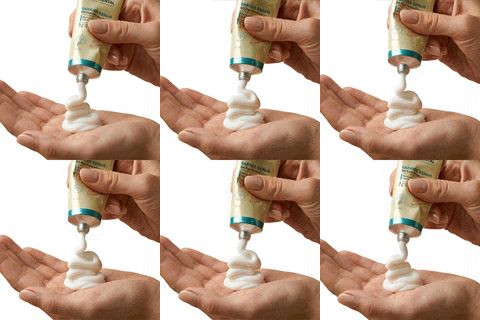
Step 1: Cleanse
Use a gentle cleanser for oily skin or an acne face wash to remove overnight oil buildup.
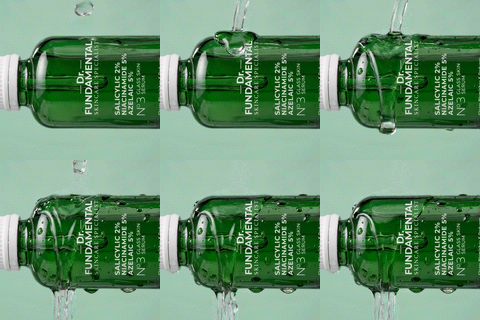
Step 2: Apply Treatment Serum
Choose ingredients that support oil control and help reduce pore congestion.
Step 3: Moisturize
Use a lightweight moisturizer to maintain hydration without heaviness.
Step 4: Sunscreen
Apply broad-spectrum sunscreen daily to protect skin from UV damage.
Common Oily Skin Myths That Make Things Worse
Myth 1: Oily Skin Doesn't Need Moisturizer
False. Oily skin still requires hydration.
Myth 2: Washing More Often Reduces Oil
False. Over-washing often increases oil production.
Myth 3: Alcohol-Based Products Are Better
False. They can damage the skin barrier and worsen oiliness.
Myth 4: Oil-Free Means Hydration-Free
False. Many oil-free products provide excellent hydration.
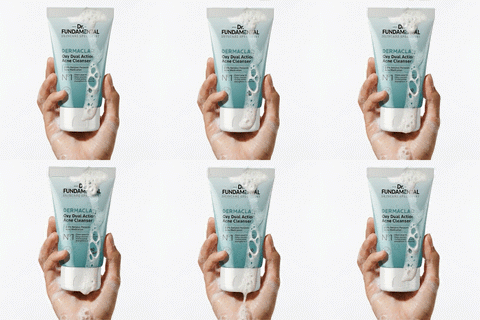
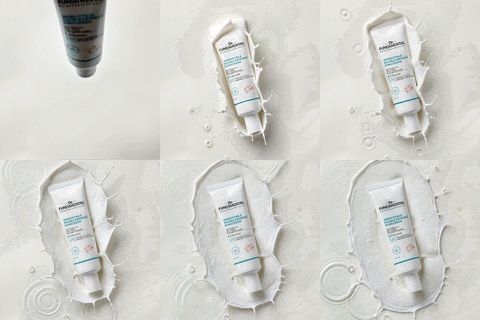
Recommended Solution: DR Fundamental Dermaclar Oxy Acne Cleanser
For individuals looking for a reliable acne cleanser, choosing a product that balances cleansing and skin comfort is important.
DR Fundamental Dermaclar Oxy Acne Cleanser is designed for oily and acne-prone skin and may help:
- Remove excess oil and impurities
- Support cleaner-looking pores
- Reduce pore congestion
- Maintain skin comfort after cleansing
- Complement a complete skincare routine
Unlike harsh cleansers that leave skin feeling stripped, a well-formulated face wash for oily skin should help maintain balance while supporting healthier-looking skin.
Final Thoughts
If your face gets oily again just two hours after washing, the solution is not necessarily washing more often. In many cases, excess oiliness is linked to harsh cleansing, dehydration, skin barrier disruption, hormonal changes, or unsuitable skincare products.
The key is choosing a gentle cleanser for oily skin, maintaining proper hydration, and following a consistent skincare routine. Small changes can make a significant difference in controlling shine, reducing breakouts, and supporting healthier skin over time.