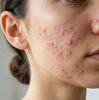
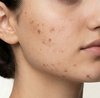
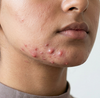



Okay, let's have that conversation. You know the one — where you finally start using sunscreen religiously because your dermatologist (or that one aunty at every family function) told you to, and then... boom. A pimple shows up like an uninvited guest at a wedding. And now you're standing in front of the mirror wondering, "Wait, did my sunscreen do this to me?"
Sis, you are not alone. This is one of the most googled skincare doubts in India right now, and honestly, it deserves a proper, no-nonsense answer — minus the jargon, minus the guilt-tripping, and with a little bit of humour because skincare drama is exhausting enough without us being all serious about it.
So grab your chai, settle in, and let's talk about whether sunscreen really causes acne, why non comedogenic sunscreen is the term you need to start paying attention to, and how to finally find the best sunscreen for face that won't betray you the way your ex did.
Wait, Does Sunscreen Actually Cause Acne?
Short answer: not really. Long answer: it depends on what's inside the bottle and how your skin reacts to it.
Sunscreen itself isn't the villain here. The real culprits are certain ingredients that sit on your skin, mix with your natural oils, sweat, and whatever pollution Delhi or Mumbai throws at you that day, and basically throw a party inside your pores. And pores don't like uninvited parties. They react by getting inflamed, clogged, and — ta-da — you've got a breakout.
This is exactly why dermatologists keep pushing the term "non-comedogenic" so hard. It's not just a fancy marketing word slapped onto a bottle to make it sound premium. It genuinely means the formula has been tested to be less likely to clog your pores. Translation: less chance of your sunscreen turning into an acne-inducing nightmare.
Here's the thing though — even sunscreens labelled "non-comedogenic" aren't a 100% guarantee for every single skin type. Your skin is unique (yes, just like you, bestie), and what works beautifully for your friend might not work for you. But choosing a non comedogenic sunscreen drastically lowers your odds of waking up to a new "guest" on your chin.
So Why Did My Skin Break Out After Using Sunscreen?
Let's be real — most of the time, it's not actually the sunscreen's fault entirely. It's usually a combo of things working against you. Before you throw your sunscreen bottle across the room (please don't, it's expensive), consider these common reasons:
- Heavy, oily formulas: Older or cheaper sunscreens often used thick, greasy bases that sit on top of your skin like a blanket your pores definitely didn't ask for.
- Comedogenic ingredients: Things like coconut oil, certain silicones, and heavy waxes can clog pores, especially if your skin already leans oily or acne-prone.
- Not removing it properly at night: If you're sleeping with sunscreen still on your face (we've all been guilty), your pores are basically marinating in product overnight.
- Layering too many products: Sunscreen + heavy moisturiser + makeup primer + foundation = your skin is now wearing five jackets in summer. Not ideal.
- Sweat + humidity: Especially in Indian weather, sweat mixing with sunscreen residue can create the perfect storm for breakouts.
Basically, it's rarely just "sunscreen bad." It's usually "wrong sunscreen for your skin + a few lifestyle habits" working together to create chaos.
What Does "Non-Comedogenic" Actually Mean? (No PhD Required)
Think of "non-comedogenic" as your sunscreen's promise that it won't be the reason your pores stage a rebellion. These formulas are specifically designed to be lightweight, oil-free or low-oil, and free from the most notorious pore-clogging ingredients.
When you're scanning labels for the best sunscreen for face, especially if you're acne-prone, here's what you want to see:
- "Non-comedogenic" written clearly on the packaging
- "Oil-free" or "lightweight" formula
- "Fragrance-free" (fragrance can be sneaky irritant for sensitive, breakout-prone skin)
- A gel, fluid, or lotion texture rather than a thick, balm-like cream
- Ingredients that actually help your skin while protecting it — more on that below
This is also why if you've been searching for sensitive skin best sunscreen spf 50, you'll notice the good ones almost always tick the non-comedogenic box too. SPF 50 protection and a gentle, breathable texture aren't mutually exclusive — you genuinely can have both.
The Niacinamide Factor — Why It's Suddenly Everywhere
If you've spent even five minutes on skincare TikTok or Instagram in the last year, you've probably seen niacinamide mentioned approximately eight hundred times. And honestly? The hype is somewhat deserved.
A sunscreen with niacinamide isn't just sun protection — it's sun protection with a side of skin-calming benefits. Niacinamide is known for helping with oil regulation, soothing redness, and supporting your skin barrier (basically your skin's bouncer that keeps bad stuff out and good stuff in).
For acne-prone or sensitive skin, this combo is kind of a dream because:
- It helps protect against UV damage while calming inflammation
- It can help balance excess oil production, which means less shine by 2pm
- It supports your skin barrier, which is often weakened by acne treatments like retinoids or salicylic acid
So when you're hunting for SPF, keeping an eye out for niacinamide in the ingredient list is honestly a smart move — it's like getting a 2-in-1 deal, except for your face.
How to Actually Pick the Right Sunscreen (Without Losing Your Mind)
Walking into a pharmacy or scrolling through an e-commerce site for sunscreen can feel like choosing a life partner — overwhelming, slightly terrifying, and full of options that all claim to be "the one."
Here's a simple way to narrow it down. First, identify your skin type honestly (oily, dry, combination, sensitive — no judgment, we all have our era of denial about our skin type). Then look for these non-negotiables:
- Broad-spectrum protection (covers both UVA and UVB rays — because tanning and ageing are both unwelcome)
- SPF 30 or higher — for daily Indian sun exposure, SPF 50 is often recommended, especially if you're stepping out a lot
- Non-comedogenic labelling — your pores will thank you
- A texture you'll actually enjoy reapplying — because the best sunscreen is the one you'll actually use consistently, not the one sitting in your drawer judging you
- Added skin-loving ingredients like niacinamide, antioxidants, or hydrating agents — bonus points if it does double duty
And here's a little insider tip — sunscreens formulated specifically for the face tend to be lighter than the ones meant for your body. Body sunscreens are often thicker because, well, your back doesn't care about pore-clogging the way your cheeks do.
A Real-Life Example Worth Checking Out
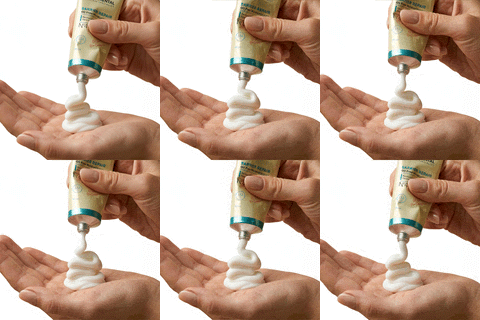
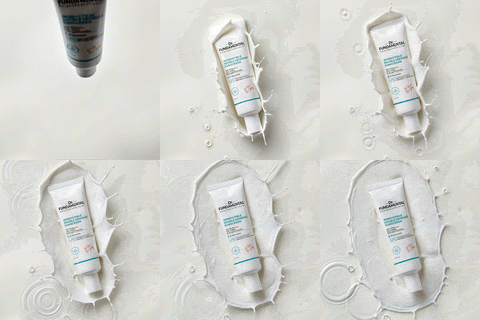
Speaking of sunscreens that actually check most of these boxes, the Irresistible Double Defence Sunscreen is built around exactly this kind of thinking — combining SPF protection with a lightweight, skin-friendly formula designed to play nice with breakout-prone and sensitive skin types. If you're someone who's been burned (pun very much intended) by heavy, greasy sunscreens before, it's worth giving a formula like this a look — especially if you've been specifically hunting for a non comedogenic sunscreen that doesn't feel like you're wearing a second skin.
Sunscreen Habits That Actually Help Your Skin (Not Just Protect It)
Even the best sensitive skin best sunscreen spf 50 in the world won't work miracles if your application habits are working against you. A little routine adjustment can go a long way:
- Apply sunscreen as the last step of your skincare routine — after moisturiser, before makeup
- Use enough product — most people use way less than the recommended amount (think two finger-lengths for your face and neck)
- Reapply every 2-3 hours if you're outdoors for long periods, even if it feels like a hassle
- Cleanse thoroughly at night — double cleansing isn't just a K-beauty trend, it actually helps remove sunscreen residue properly
- Avoid layering too many heavy products on top of sunscreen, especially during humid months
Think of sunscreen as part of a system, not a standalone hero. Even Wonder Woman needed her team, okay?
The Bottom Line (Because We Know You Skimmed)
Sunscreen doesn't have to be the enemy of clear skin — in fact, skipping it can cause way more long-term damage, including dark spots, premature ageing, and yes, even acne scarring becoming more stubborn. The key is choosing wisely.
Look for non comedogenic sunscreen formulas, ideally with calming ingredients like niacinamide, lightweight textures, and proper SPF coverage. Whether you're dealing with oily, sensitive, or acne-prone skin, the best sunscreen for face is out there — it just might take a little trial and a bit of label-reading to find it.
And remember — your skin's reaction to a new product can take a couple of weeks to settle. So before you dramatically declare "this sunscreen broke me out forever," give it a fair shot (unless it's causing actual irritation, in which case, stop immediately and don't be a hero).