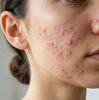
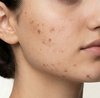
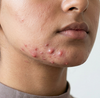


You've finally cleared your acne, but the spots remain.
Weeks later, you still notice red, brown, or dark patches on your skin. Naturally, you assume they're acne scars and start searching for the best treatments. You invest in products, follow skincare trends, and try multiple remedies—yet the results are disappointing.
The truth is that many people who think they have acne scars are actually dealing with acne marks.
Understanding the difference between acne marks and acne scars is one of the most important steps toward choosing the right skincare routine. While both appear after acne heals, they have different causes, appearances, and treatment requirements.
If you're using a serum for acne scars when you actually have pigmentation, or expecting an anti acne serum to repair deep skin indentations, you may be treating the wrong problem entirely.
In this guide, we'll explain the difference between acne marks and acne scars, how to identify them, and which ingredients can help improve their appearance.
Acne Marks vs Acne Scars: Quick Comparison
|
Feature |
Acne Marks |
Acne Scars |
|
Appearance |
Red, brown, pink, or purple spots |
Indented or raised skin |
|
Texture |
Smooth skin surface |
Uneven skin texture |
|
Cause |
Inflammation-related pigmentation |
Collagen damage during healing |
|
Healing Time |
Weeks to several months |
Months to years |
|
Can Serums Help? |
Yes, significantly |
Limited improvement |
|
Best Treatment |
Brightening ingredients and sunscreen |
Professional dermatological procedures |
Quick Tip
If your skin feels smooth but looks discolored, you're likely dealing with acne marks.
If you can feel pits, dents, or raised areas, you're likely dealing with acne scars.
What Are Acne Marks?
Acne marks are temporary discolorations left behind after a breakout heals. They are not true scars because they don't involve structural damage to the skin.
Instead, they result from inflammation that affects pigment production or blood vessels beneath the skin's surface.
Post-Inflammatory Hyperpigmentation (PIH)
PIH appears as:
- Brown spots
- Dark patches
- Uneven pigmentation
- Persistent discoloration after acne
This occurs when inflammation stimulates excess melanin production.
Post-Inflammatory Erythema (PIE)
PIE appears as:
- Red spots
- Pink marks
- Purple discoloration
- Visible redness after acne
This happens when inflammation affects tiny blood vessels beneath the skin.
Why Acne Marks Last So Long
Even after a pimple disappears, the skin continues repairing itself. During this healing process, excess pigment or redness may remain visible for weeks or months.
Fortunately, ingredients such as Tranexamic Acid, Niacinamide, and sunscreen can help support a more even-looking complexion over time.
What Are Acne Scars?
Acne scars develop when severe inflammation damages collagen within the skin.
Unlike acne marks, scars involve permanent structural changes that affect the skin's texture.
Ice Pick Scars
Ice pick scars are deep, narrow depressions that extend into the skin.
Characteristics include:
- Small openings
- Deep appearance
- Sharp edges
Boxcar Scars
Boxcar scars appear as wider depressions with defined borders.
Common features:
- Round or oval shape
- Clearly visible edges
- Common on cheeks
Rolling Scars
Rolling scars create a wave-like texture across the skin.
Features include:
- Soft edges
- Uneven appearance
- More visible in side lighting
Hypertrophic Scars
These scars occur when excess collagen forms during healing.
Characteristics:
- Raised texture
- Firm appearance
- More common on the chest and jawline
Why Most People Treat the Wrong Problem
One of the biggest skincare misconceptions is assuming all post-acne marks are scars.
Social media, marketing claims, and skincare misinformation often blur the distinction between pigmentation and scarring.
As a result, many people:
- Purchase the wrong products
- Expect unrealistic results
- Quit routines too early
- Spend money on unnecessary treatments
For example, someone with post-acne pigmentation may search for a serum for acne scars, even though brightening ingredients would be a more appropriate solution.
Likewise, a person with deep acne scars may expect a niacinamide serum for acne to completely smooth skin texture, which isn't realistic.
The key is identifying the root issue first.
How to Tell Whether You Have Acne Marks or Acne Scars
Use this simple self-check:
Step 1: Examine Your Skin in Natural Light
Stand near a window and observe your skin carefully.
Ask yourself:
- Do I notice color changes?
- Do I notice texture changes?
Step 2: Touch the Area
Run your fingers gently across the affected skin.
Smooth skin = likely acne marks.
Indented or raised skin = likely acne scars.
Step 3: Stretch the Skin
Gently stretch the skin.
If the appearance changes significantly, you may be dealing with textural scarring.
Step 4: Assess Color
Brown, red, pink, or purple discoloration usually indicates post-acne marks rather than scars.
Best Ingredients for Acne Marks
Tranexamic Acid
Tranexamic Acid has become increasingly popular as a targeted ingredient for post-acne pigmentation.
Benefits include:
- Helps reduce the appearance of dark spots after acne
- Supports a more even skin tone
- Addresses stubborn pigmentation concerns
Niacinamide
Niacinamide is a multitasking skincare ingredient known for supporting acne-prone skin.
Benefits include:
- Strengthening the skin barrier
- Reducing excess oil appearance
- Improving uneven skin tone
- Supporting skin recovery after breakouts
This makes it a valuable ingredient in a niacinamide serum for acne and pigmentation-prone skin.
Alpha Arbutin
Alpha Arbutin helps improve the appearance of dark spots and uneven skin tone.
Azelaic Acid
A dermatologist-favorite ingredient that supports both acne-prone skin and pigmentation concerns.
Vitamin C
Vitamin C helps brighten the skin and supports protection against environmental stressors.
Sunscreen
Daily sunscreen remains one of the most effective ways to prevent acne marks from becoming darker and more persistent.
Can Serums Remove Acne Scars?
This is one of the most frequently asked skincare questions.
While a serum for acne marks can help improve discoloration, topical products have limited ability to repair deep acne scars because scars involve collagen loss beneath the skin.
Professional treatments are often recommended for significant scarring, including:
- Microneedling
- Laser resurfacing
- Chemical peels
- Subcision
- Radiofrequency treatments
However, serums can still improve overall skin appearance and help reduce associated pigmentation.
Why Tranexamic Acid + Niacinamide Is a Powerful Combination
For individuals dealing with post-acne pigmentation, combining multiple evidence-based ingredients can be beneficial.
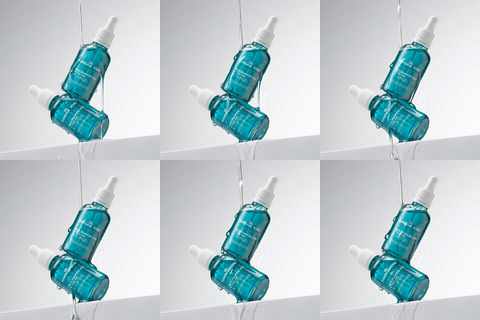
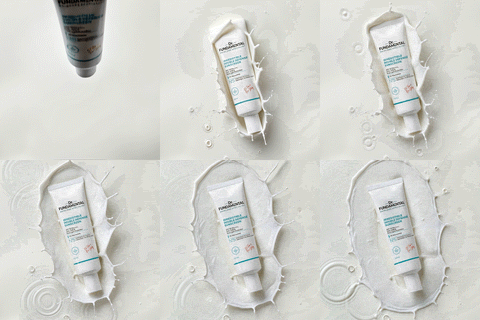
DR Fundamental's 4% Tranexamic Acid + 10% Niacinamide Clarifying Face Serum combines two well-known ingredients that work through different pathways.
This combination may help:
- Improve the appearance of acne marks
- Support brighter-looking skin
- Promote a more even complexion
- Help manage excess oil
- Strengthen the skin barrier
If you're looking for a serum for acne marks, a niacinamide serum for acne, or an anti acne serum that focuses on post-acne discoloration, ingredients such as Tranexamic Acid and Niacinamide can be valuable additions to your skincare routine.
Final Thoughts
Acne marks and acne scars may appear similar at first glance, but they require very different treatment approaches.
Acne marks are primarily color changes that often respond well to targeted skincare ingredients and sun protection. Acne scars, on the other hand, involve structural changes that typically require professional treatment for significant improvement.
Before purchasing any serum for acne scars, anti acne serum, or pigmentation treatment, take the time to identify whether you're dealing with marks, scars, or a combination of both.
The more accurately you diagnose the problem, the more effective your skincare journey will be.