




Walk into any skincare store or browse online, and you'll quickly discover that choosing sunscreen is no longer just about SPF. Today's consumers are faced with multiple textures and formulations, including gel sunscreen, cream sunscreen, fluid sunscreen, and even liquid sunscreen options.
This variety is excellent for personalization, but it also creates confusion.
Many people ask:
- Is gel sunscreen better than cream sunscreen?
- Which sunscreen works best in Indian weather?
- Is a fluid sunscreen more effective?
- What is the best sunscreen for face use every day?
- Which sunscreen is suitable for acne-prone skin?
The reality is that sunscreen effectiveness isn't determined by texture alone. The best sunscreen is the one you'll wear consistently and reapply correctly.
However, texture plays a significant role in comfort, skin compatibility, makeup wear, and overall user experience.
In a country like India, where weather conditions range from intense summer heat and humidity to dry winter climates, choosing the right sunscreen texture can dramatically improve daily usage.
This guide explains everything you need to know about gel sunscreen, cream sunscreen, and the growing trend of fluid sunscreen formulas so you can choose the most suitable option for your skin.
What Is Gel Sunscreen?
A gel sunscreen is typically a lightweight, water-based or silicone-enhanced formulation designed to absorb quickly into the skin.
Unlike traditional creams, gel formulations generally feel lighter and leave less residue on the surface.
Key Characteristics of Gel Sunscreen
- Lightweight texture
- Quick absorption
- Often water-based
- Non-greasy finish
- Comfortable in hot weather
Many users describe gel sunscreens as feeling almost invisible after application.
Benefits of Gel Sunscreen
Excellent for Oily Skin
Individuals with excess sebum production often struggle with heavy products.
A sunscreen for oily skin should ideally control shine without compromising protection.
Gel formulas usually provide:
- Faster absorption
- Reduced greasy feeling
- Better comfort during humid weather
- Improved wear throughout the day
Better Comfort During Summer
Many consumers stop wearing sunscreen because it feels heavy.
A lightweight sunscreen improves adherence to daily sun protection habits.
In Indian summers, lightweight textures often feel significantly more comfortable than richer creams.
Suitable for Acne-Prone Skin
Many modern gel formulations are designed as non comedogenic sunscreen products, meaning they are less likely to clog pores.
This makes them attractive options for those seeking a sunscreen for acne prone skin.
Limitations of Gel Sunscreen
Gel sunscreens are not perfect for everyone.
Potential drawbacks include:
- May feel insufficient for very dry skin
- Some formulas contain alcohol that can feel drying
- Limited barrier-support benefits compared to richer creams
People with dehydration or compromised skin barriers may need additional moisturization.
What Is Cream Sunscreen?
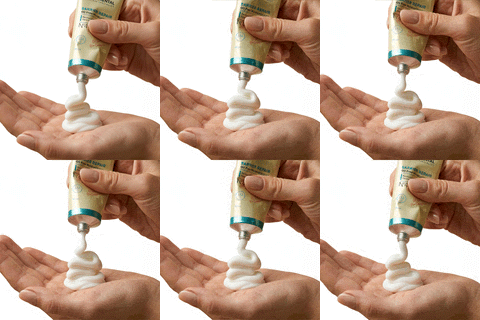
A cream sunscreen contains a richer blend of moisturizing ingredients alongside UV filters.
These formulations are designed to provide both sun protection and hydration.
Cream textures generally remain on the skin longer and create a more nourishing feel.
Key Characteristics of Cream Sunscreen
- Richer consistency
- Enhanced moisturizing properties
- Strong barrier-support benefits
- More nourishing finish
Benefits of Cream Sunscreen
Superior Hydration
For people with dry or dehydrated skin, sunscreen often serves as both protection and moisture support.
A quality hydrating sunscreen can help minimize:
- Tightness
- Flaking
- Rough texture
- Moisture loss
Supports the Skin Barrier
Dermatologists increasingly emphasize skin barrier health.
When the skin barrier is compromised, irritation, sensitivity, and dehydration become more common.
Cream formulations often contain ingredients that support barrier repair and moisture retention.
Better for Dry Climates
In colder weather or air-conditioned environments, cream sunscreens frequently provide greater comfort.
Limitations of Cream Sunscreen
Depending on the formulation, some cream sunscreens may:
- Feel heavier
- Leave shine
- Increase oiliness in humid weather
- Feel less comfortable during summer
This doesn't mean cream sunscreen is inferior. It simply means that texture preferences differ by skin type and environment.
Gel Sunscreen vs Cream Sunscreen: Key Differences
The most important difference lies in how the product feels during wear.
Texture
A gel sunscreen feels lighter and more weightless.
A cream sunscreen feels richer and more nourishing.
Many users notice the difference immediately upon application.
Finish
Gel formulas often provide a matte or natural finish.
Cream formulas generally create a more hydrated appearance.
Those searching for a matte finish sunscreen often gravitate toward gel textures.
Hydration
Cream sunscreen typically delivers more moisture.
Gel sunscreen focuses more on comfort and lightweight wear.
Oil Control
For users concerned about excess shine, gel formulations often perform better.
This is why many dermatologists recommend gel-based products as a sunscreen for oily skin.
Acne Compatibility
Texture matters significantly for acne-prone individuals.
A well-formulated non comedogenic sunscreen is often preferred regardless of whether it is a gel or cream.
However, gel textures frequently feel more comfortable on breakout-prone skin.
Reapplication Experience
One of the biggest hidden factors in sunscreen success is reapplication.
Many people skip reapplication because their sunscreen feels heavy.
Gel and fluid sunscreen formulas often make reapplication easier throughout the day.
Makeup Compatibility
Under makeup, lightweight formulas typically perform better.
Users often find that gel or liquid sunscreen products layer more smoothly beneath foundation and concealer.
Climate Suitability
For humid Indian cities, gel and fluid textures usually feel more comfortable.
For dry winter conditions, cream sunscreens often provide better overall comfort.
Which Sunscreen Is Best for Different Skin Types?
The answer depends on your skin's needs rather than current trends.
Oily Skin
If your face becomes shiny within a few hours of cleansing, you likely have oily skin.
Look for:
- Gel sunscreen
- Fluid sunscreen
- Water based sunscreen
- Non comedogenic sunscreen
These textures reduce heaviness while maintaining daily protection.
Dry Skin
Dry skin requires both protection and moisture.
Look for:
- Cream sunscreen
- Hydrating sunscreen
- Barrier-supporting formulas
These products help maintain skin comfort throughout the day.
Combination Skin
Combination skin benefits from balance.
Many users find fluid sunscreen formulas particularly useful because they provide lightweight hydration without excessive oiliness.
Sensitive Skin
Sensitive skin users should focus on ingredients rather than texture alone.
Choose:
- Fragrance-free formulas
- Broad-spectrum protection
- Gentle formulations
A well-designed face sunscreen should feel comfortable without causing irritation.
Acne-Prone Skin
Those dealing with breakouts should prioritize:
- Non comedogenic sunscreen
- Lightweight textures
- Oil-free formulations
The best sunscreen for acne prone skin should protect without contributing to congestion.
Why Fluid Sunscreen Is Becoming So Popular
Over the last few years, fluid sunscreen has become one of the fastest-growing categories in skincare.
But why?
The answer lies in changing consumer preferences.
People increasingly want products that feel invisible on the skin.
What Is Fluid Sunscreen?
A fluid sunscreen sits between a gel and a cream.
It generally has:
- Thin consistency
- Easy spreadability
- Lightweight feel
- Fast absorption
- Comfortable finish
Many users describe it as a modern evolution of traditional sunscreen.
Benefits of Fluid Sunscreen
Easy Daily Wear
Consumers are more likely to wear sunscreen consistently when it feels comfortable.
Better Layering
A liquid sunscreen or fluid sunscreen often layers more effectively with:
- Moisturizer
- Serums
- Makeup
Suitable for Indian Weather
The combination of heat, humidity, and pollution makes lightweight formulations increasingly desirable.
This is one reason many skincare enthusiasts now prefer fluid textures for daily use.
Expert Perspective: How Dermatologists Choose Sunscreen
Dermatologists rarely recommend sunscreen based solely on SPF.
Instead, they evaluate:
Skin Type
Oily, dry, sensitive, and acne-prone skin have different requirements.
Lifestyle
Indoor workers and outdoor professionals face different environmental exposures.
Consistency of Use
The best sunscreen is the one patients enjoy wearing daily.
Broad-Spectrum Protection
A broad spectrum sunscreen protects against both UVA and UVB rays.
Cosmetic Elegance
A sunscreen that feels pleasant encourages long-term compliance.
How to Choose the Best Sunscreen for Face
Use this practical checklist:
✔ Broad-spectrum protection
✔ Suitable SPF level
✔ Comfortable texture
✔ Appropriate for your skin type
✔ Non-comedogenic formulation if acne-prone
✔ Easy reapplication
✔ Compatible with makeup
✔ Comfortable in local climate
✔ Suitable for daily use
The best sunscreen for face use is the one that fits your lifestyle and encourages consistent protection.
DR Fundamental Recommendation
When evaluating daily-use sunscreen options, texture and usability matter just as much as protection.
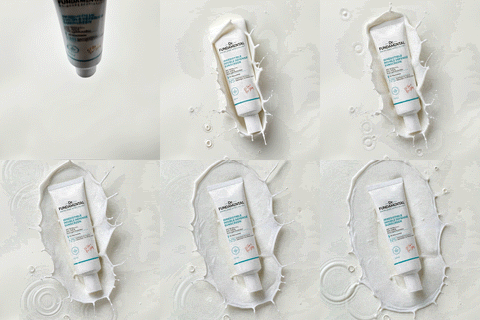
DR Fundamental Irresistible Double Defence Sunscreen is designed for individuals seeking a comfortable daily sunscreen experience.
Its lightweight feel aligns well with current consumer preferences for modern fluid sunscreen and lightweight face sunscreen formulations.
It may be particularly suitable for:
- Daily commuters
- Office professionals
- Users seeking non-greasy wear
- Individuals looking for a practical daily sunscreen
- Those wanting comfortable layering under makeup
Rather than relying solely on high SPF numbers, the formula focuses on creating a sunscreen experience that users can realistically incorporate into their everyday skincare routine.
Final Verdict: Gel, Cream or Fluid Sunscreen?
There is no universally superior sunscreen texture.
The right choice depends on your skin type, environment, and lifestyle.
Choose gel sunscreen if you have oily or acne-prone skin and prefer a lightweight feel.
Choose cream sunscreen if your skin needs additional hydration and barrier support.
Choose fluid sunscreen if you want a balanced option that combines lightweight wear with everyday comfort.
Ultimately, the best sunscreen is not the one with the most impressive marketing claims. It is the one you enjoy wearing every single day.
Consistent use, proper application, and regular reapplication will always matter more than texture alone.