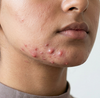


Dealing with persistent acne can feel like an endless game of whack-a-mole. Just as one painful blemish heals, two more take its place. If you have oily, acne-prone skin, your bathroom counter is likely a graveyard of regular face washes that promised a clear complexion but delivered nothing more than tight, stripped skin and ongoing breakouts.
Traditional cleansers often fail because they merely wash away surface grime without addressing the root biological triggers of acne. That is where a benzoyl peroxide cleanser changes the game. Unlike standard soaps, benzoyl peroxide is a medical-grade powerhouse that actively targets acne-causing bacteria inside the pore.
Navigating this potent ingredient as a beginner can be tricky. Use it incorrectly, and you may face dryness, peeling, or a damaged skin barrier. This guide breaks down everything you need to know to safely introduce a benzoyl peroxide face wash into your daily routine, clear your skin, and maintain a healthy, radiant glow.
What Is a Benzoyl Peroxide Cleanser?
A benzoyl peroxide cleanser is a specialized therapeutic face wash formulated to treat and prevent inflammatory acne. While a standard mild cleanser for oily skin relies on surfactants to lift away excess sebum and environmental pollution, a benzoyl peroxide face wash delivers an active medication directly to the skin's follicular unit.
The brilliant design of a wash-off treatment lies in its contact time. It allows the active medicine to penetrate the pores and kill acne-causing agents while it is massaged into the skin, but because it is rinsed off, it significantly minimizes the prolonged irritation, redness, and flaking frequently caused by leave-on topical creams.
How Benzoyl Peroxide Works Against Acne
To understand why this ingredient is the gold standard in dermatology, it helps to understand how a pimple forms. Acne is born from a perfect storm of four factors: overactive sebaceous (oil) glands, sluggish skin cell shedding that plugs pores, bacterial overgrowth, and the resulting inflammation.
Benzoyl peroxide targets this destructive cycle through three precise biological actions:
- Oxygenation (The Bactericidal Effect): The main bacteria responsible for acne breakouts, Cutibacterium acnes (C. acnes), is anaerobic. This means it thrives in oxygen-deprived environments, like a pore choked with oil. When you apply a benzoyl peroxide for acne wash, it introduces oxygen directly into the pore. This immediately destroys the bacteria. Because it kills them mechanically via oxygen rather than via antibiotics, the bacteria can never develop resistance to it.
- Keratolytic Action: It acts as a mild peeling agent, promoting the shedding of dead skin cells. This prevents dead corneum cells from binding with sebum to form microscopic clogs (microcomedones).
- Anti-Inflammatory Influence: By wiping out the bacterial population, it stops the cascade of chemical signals that cause painful, swollen, red bumps on your face.
Benefits of Using a Benzoyl Peroxide Cleanser
Integrating a properly formulated benzoyl peroxide wash into your skincare routine for acne yields distinct, clinical benefits for your complexion:
- Rapidly Reduces Acne-Causing Bacteria: It significantly drops the surface and intra-pore bacterial load within just days of starting treatment.
- Prevents New Breakouts Before They Start: By keeping pores clear of dead tissue and free-flowing sebum, it cuts off the lifecycle of a pimple before it surfaces.
- Blunts Excess Oil Production: While it doesn't stop sebum production at the gland level, its deep-cleansing property breaks up and clears away heavy surface oils, leaving a balanced matte finish.
- Purges Clogged Pores: It helps break down stubborn plugs, making it a highly effective face wash for pimples, pustules, and papules.
- Refines Skin Texture: Regular use clears away microscopic debris, leaving the surface smooth, even, and highly responsive to subsequent steps in your regimen.
Who Should Use a Benzoyl Peroxide Face Wash?
This active wash is an exceptional choice for specific skin types and concerns:
- Oily Skin Types: Those whose skin produces excess sebum that leaves a shiny film by midday.
- Acne-Prone Skin: Anyone dealing with recurrent inflammatory breakouts, including papules (red bumps) and pustules (pus-filled pimples).
- Teenagers: Young skin undergoing hormonal surges that trigger aggressive sebum production benefit greatly from a daily acne cleanser.
- Adults with Hormonal Acne: It targets the painful breakouts that form along the jawline and chin.
Who Should Avoid It?
If you have an inherently compromised skin barrier, active eczema, rosacea, or extremely sensitive skin, a high-strength benzoyl peroxide may prove too irritating. In those instances, opting for a gentle cleanser for oily skin or a dedicated barrier-repair wash is preferred until the skin's moisture barrier stabilizes.
Mild vs. Strong Benzoyl Peroxide Cleansers
A common beginner misconception is that a higher percentage yields faster results. In clinical trials, a 2.5% or 4% benzoyl peroxide concentration has proven to be just as effective as a 10% formulation at clearing acne, but with a fraction of the irritation.
|
Concentration |
Skin Type / Target |
Irritation Risk |
Best For |
|
2.5% to 4% |
Sensitive, Combination, Beginner |
Very Low |
Daily facial use, initial breakouts, maintaining barrier health |
|
5% |
Moderate Oily Acne-Prone Skin |
Moderate |
Stubborn facial acne, oil control |
|
10% |
Thick skin, Body Acne (Back/Chest) |
High |
Non-facial acne, severe cystic areas on resilient skin |
For facial care, starting with a mild formulation ensures you treat the acne without causing secondary contact dermatitis.
How to Use a Benzoyl Peroxide Cleanser Correctly
To maximize efficacy and keep your skin barrier intact, follow this structured application method.
The Short-Contact Therapy Method (Step-by-Step)
- Dampen: Lukewarm water should be used to wet your face. Avoid hot water, which strips natural lipids.
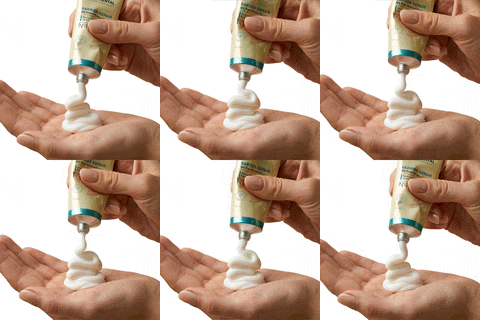
- Apply: Squeeze a nickel-sized amount of your benzoyl peroxide wash onto your fingertips.
- Massage Gently: Massage the product over the affected areas in circular motions for 1 to 2 minutes. Do not scrub aggressively; let the chemical formulation do the work. Allowing it to sit for this brief window ensures the active molecule reaches the base of the pore.
- Rinse Thoroughly: Rinse your skin completely with tepid water. Ensure no residue is left along the jawline or hairline, as benzoyl peroxide can bleach dark towels and clothing.
- Pat Dry: Gently pat your skin dry with a clean, white towel.
Morning vs. Night Routine Integration
Morning Routine:
- Wash with your acne treatment cleanser.
- Apply a hydrating serum containing Niacinamide Products.
- Follow with a lightweight Moisturizer.
- Finish with a broad-spectrum Sunscreen (SPF 30 or higher is non-negotiable, as active treatments render skin more vulnerable to UV damage).
Night Routine:
- If wearing makeup or heavy sunscreen, pre-cleanse with a micellar water or light oil cleanser.
- Wash with a Gentle Cleanser for Oily Skin to focus purely on barrier recovery.
- Apply targeted spot treatments or barrier-supporting creams.
Common Mistakes to Avoid
- Over-washing: Using it multiple times a day will lead to extreme dryness and rebound oil production.
- Aggressive Scrubbing: Using mechanical brushes or washcloths alongside this active wash causes micro-tears and heightens inflammation.
- Ruining Linens: Always use white towels and pillowcases, as any trace residue will oxidize and bleach colored fabrics.
Benzoyl Peroxide Cleanser vs. Salicylic Acid Cleanser
Choosing between these two legendary acne-fighting ingredients depends entirely on the specific type of blemishes you are trying to heal.
|
Feature |
Benzoyl Peroxide Cleanser |
Salicylic Acid (BHA) Cleanser |
|
Primary Mechanism |
Kills bacteria via oxygenation |
Dissolves oil and exfoliates inside the pore |
|
Best Acne Type |
Inflammatory acne (pustules, papules, cysts) |
Comedonal acne (blackheads, whiteheads) |
|
Exfoliation Type |
Superficial keratolytic |
Deep lipid-soluble exfoliation |
|
Irritation Potential |
Moderate (can cause dryness/peeling) |
Low (soothing, anti-inflammatory) |
|
Ideal User |
Individuals with angry, red, painful pimples |
Individuals with congested pores and oily shine |
Can Benzoyl Peroxide Cause Purging?
Yes, but it is brief. Because benzoyl peroxide accelerates cell turnover and cleanses deep within the pore, it can fast-track pre-existing microcomedones (under-the-skin clogs) to the surface. This is known as skin purging.
- Purging occurs in areas where you typically break out, and the blemishes resolve much quicker than usual (typically within 2 to 3 weeks).
- Irritation, by contrast, presents as itchy, dry, red peeling patches in areas where you rarely get pimples. If you experience severe burning or widespread flaking, scale back your usage frequency.
Side Effects and How to Prevent Them
When starting out, minor side effects are completely normal as your skin adapts to the molecule. Anticipating these allows you to manage them without abandoning your routine.
- Dryness & Peeling: Benzoyl peroxide naturally curtails excess surface moisture. Counteract this by immediately applying a non-comedogenic, oil-free moisturizer while your skin is still slightly damp.
- Transient Redness: Mild flushing right after washing is common. If it persists, reduce use from every day to every other day.
- Increased Sun Sensitivity: It thins the outermost layer of dead skin cells, making UV rays strike living tissue more directly. Daily application of a broad-spectrum sunscreen protects these fresh skin cells.
Choosing the Best Acne Face Wash for Oily Skin
When hunting for the perfect best acne cleanser, check your labels against this clinical criteria checklist:
- Non-comedogenic: Formulated specifically not to clog pores.
- Dermatologist-tested: Evaluated clinically for safety and performance.
- Sensible Concentration: Sticking within the 2.5% to 5% range for daily facial safety.
- Fragrance-free: Free of synthetic perfumes that provoke irritation when combined with active medications.
- Barrier-Supporting Ingredients: Infused with hydrating, calming agents like glycerin, ceramides, or niacinamide to balance out the drying nature of the active drug.
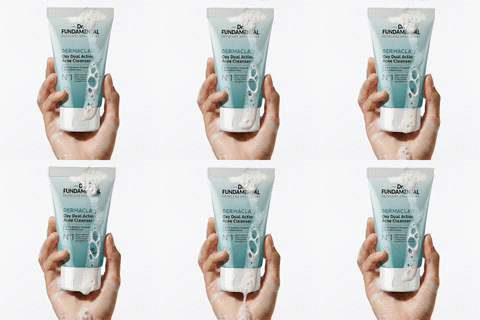
At DR Fundamental, we engineer formulations that honor these exact physiological requirements. Our advanced cleansers balance targeted acne elimination with deep barrier protection, ensuring your skin paths toward clarity without experiencing systemic irritation. Explore our dedicated Acne Face Wash options and pair them with our nourishing, lightweight Moisturizers for a balanced, clear complexion.
Real User Experiences
Case Study 1: Teenage Oily Skin
- The User: Marcus, 17, struggled with severe midday shine and a constant crop of red pimples across his forehead and cheeks.
- The Regimen: Swapped his harsh scrub for a 4% benzoyl peroxide cleanser used once daily every morning, followed by a light hydrating fluid and SPF.
The Progress Timeline:
- Week 1: Noticed a substantial drop in surface oiliness. A few tiny new whiteheads appeared (mild purge).
- Week 4: Active inflammatory lesions decreased by half. Skin texture felt smoother.
- Week 8: Complexion remained consistently matte throughout the day. New breakouts were rare and healed within 24 hours.
Case Study 2: Adult Hormonal Acne
- The User: Sarah, 29, experienced deep, painful cyclic breakouts along her jawline alongside a combination skin profile.
- The Regimen: Integrated a mild 2.5% benzoyl peroxide wash every other evening, using short-contact therapy (leaving it on for 60 seconds before rinsing), paired with a rich ceramide cream.
The Progress Timeline:
- Week 2: Experienced slight peeling around the mouth. Adjusted by applying moisturizer before the active wash on sensitive areas.
- Week 6: The deep tenderness along her jaw diminished.
- Week 12: Hormonal flare-ups were drastically reduced to minor, superficial blemishes that cleared without scarring.
Personal Insight Section: What to Expect in Month One
During your first two weeks, your skin goes through an adjustment phase. You might notice your face feels slightly tighter or that you have mild flaking around the nose and mouth. Do not panic. This is a normal sign of your skin adjusting to the treatment.
To mitigate this, start slow: use the wash just three times a week for the first fortnight, then graduate to daily use once your skin develops tolerance.
The Final Verdict
If you are battling persistent breakouts and excess shine, choosing the right face wash for acne-prone skin can completely transform your complexion. A benzoyl peroxide cleanser stands out from regular soaps because it goes beyond the surface—penetrating deep down to kill acne-causing bacteria and prevent new breakouts before they even start.
For those managing oily acne-prone skin, this treatment functions as an excellent cleanser for oily skin. However, the key to success as a beginner is balancing clinical power with barrier protection. You do not need the highest strength to see results; a mild cleanser for oily skin formulated with 2.5% to 4% benzoyl peroxide for acne will clear your skin while keeping irritation at bay.
When establishing your beginner acne skincare routine, always pair your daily acne cleanser with a non-comedogenic moisturizer and a broad-spectrum sunscreen. By choosing a balanced, dermatologist-tested benzoyl peroxide face wash and avoiding the temptation to over-scrub, you can finally break the breakout cycle and enjoy clear, comfortable, and healthy skin.