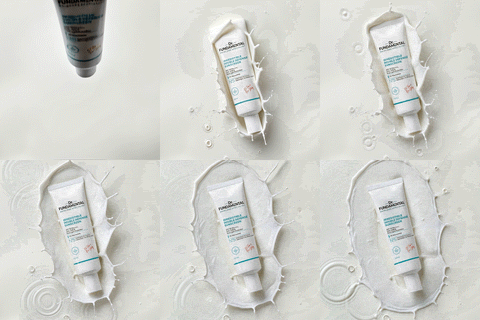





If you have oily, acne-prone, or sensitive skin, choosing a non-comedogenic sunscreen with niacinamide can help protect your skin from sun damage without causing excess shine or clogged pores. A lightweight SPF 50 sunscreen that offers broad-spectrum UVA and UVB protection while supporting the skin barrier is often the most practical choice for daily use.
Why Finding the Right Sunscreen Feels So Difficult
Many people know they should wear sunscreen every day, yet they often skip it.
The reason is simple.
Traditional sunscreens can feel heavy, greasy, sticky, or uncomfortable on oily skin. Some formulas leave a white cast, while others may contribute to clogged pores and breakouts. For people with acne-prone or sensitive skin, sunscreen can sometimes seem like a skincare risk rather than a protective step.
However, avoiding sunscreen can create even bigger problems.
Unprotected sun exposure contributes to pigmentation, premature aging, uneven skin tone, post-acne marks, redness, and long-term skin damage. That's why dermatologists consistently recommend daily sun protection regardless of age or skin type.
The solution is not avoiding sunscreen—it's choosing the right one.
Why Sunscreen Matters More Than You Think
Sunlight contains ultraviolet radiation that affects the skin in different ways.
UVA Rays
UVA rays penetrate deeper into the skin and are largely responsible for:
- Premature aging
- Fine lines and wrinkles
- Loss of elasticity
- Hyperpigmentation
- Photoaging
UVB Rays
UVB rays primarily affect the skin's surface and can cause:
- Sunburn
- Skin irritation
- Increased pigmentation
- Long-term cellular damage
Consistent protection from both UVA and UVB rays is essential for maintaining healthy skin and preventing visible signs of damage.
For individuals dealing with acne marks or uneven skin tone, sunscreen becomes even more important because UV exposure can make pigmentation darker and more persistent.
What Makes a Sunscreen Non-Comedogenic?
The term non-comedogenic sunscreen simply means the formulation is designed to minimize the likelihood of clogging pores.
This is particularly beneficial for:
- Oily skin
- Acne-prone skin
- Combination skin
- Individuals prone to blackheads and whiteheads
Benefits of Non-Comedogenic Sunscreens
- Lighter texture
- Reduced pore congestion
- Better daily comfort
- Lower risk of breakouts
- Improved compatibility with acne treatments
Common Myth
Many people assume that all sunscreens cause pimples.
In reality, breakouts are often linked to heavy formulations that do not suit an individual's skin type. Modern non-comedogenic formulas are specifically designed to address these concerns.
The Benefits of a Sunscreen with Niacinamide
Niacinamide has become one of the most trusted skincare ingredients due to its versatility and compatibility with multiple skin types.
When incorporated into a sunscreen, it provides benefits beyond UV protection.
1. Supports Oil Control
Niacinamide helps regulate excess sebum production, making it particularly valuable for oily skin users.
2. Strengthens the Skin Barrier
A healthy skin barrier helps retain moisture while protecting against environmental stressors.
3. Reduces Visible Redness
Sensitive and acne-prone skin often experiences irritation and redness. Niacinamide can help improve overall skin comfort.
4. Improves Skin Tone
Regular use may help support a more even-looking complexion and reduce the appearance of post-acne marks.
5. Enhances Daily Skin Protection
When combined with broad-spectrum UV filters, niacinamide contributes to a more comprehensive skincare routine.
Why Oily Skin Needs a Different Sunscreen
Oily skin presents unique challenges.
Many users experience:
- Excess shine throughout the day
- Enlarged pores
- Frequent breakouts
- Heavy feeling after sunscreen application
The ideal lightweight sunscreen for oily skin should provide protection without adding unnecessary oiliness.
Look for formulas that offer:
- Matte finish
- Fast absorption
- Non-comedogenic ingredients
- Broad-spectrum protection
- Lightweight texture
A sunscreen that feels comfortable on the skin is more likely to be used consistently, which ultimately delivers better long-term results.
Sensitive Skin SPF 50 Guide
Sensitive skin often reacts to skincare products that contain unnecessary irritants.
When selecting a sensitive skin best sunscreen SPF 50, consider the following:
Check for Gentle Formulations
Look for products designed to minimize irritation while maintaining effective sun protection.
Avoid Overly Heavy Textures
Heavy products can feel uncomfortable and increase the likelihood of daily dissatisfaction.
Prioritize Skin-Friendly Ingredients
Ingredients that support barrier health can help improve the overall sunscreen experience.
Daily Wear Matters
A sunscreen should feel comfortable enough to become a consistent part of your morning routine.
Ingredient Spotlight: Why Niacinamide Stands Out
Among skincare ingredients commonly included in modern sunscreens, niacinamide remains one of the most beneficial.
Key Advantages
- Helps balance oil production
- Supports skin barrier function
- Improves overall skin appearance
- Complements acne-prone skincare routines
- Suitable for most skin types
When paired with SPF 50 protection and broad-spectrum UV filters, niacinamide helps transform sunscreen from a basic protective product into a multifunctional skincare essential.
Real User Experience
After using a lightweight SPF 50 sunscreen with niacinamide consistently for four weeks, many oily skin users notice practical improvements in their daily routine.
Week 1
- Lightweight application
- Minimal greasy residue
- Comfortable wear under makeup
Week 2
- Reduced midday shine
- Better overall skin comfort
- No heavy sunscreen feeling
Week 4
- Consistent sun protection
- Improved appearance of post-acne marks
- Greater willingness to wear sunscreen daily
The biggest benefit often isn't dramatic overnight transformation—it's long-term consistency.
Real-Life Skin Scenarios
Case Study 1: Acne-Prone College Student
Concern: Frequent breakouts and oily skin.
Routine: Gentle cleanser, niacinamide serum, SPF 50 sunscreen.
Result: Better daily sun protection without adding heaviness to the skin.
Case Study 2: Young Working Professional
Concern: Excess shine during office hours.
Routine: Oil-free moisturizer followed by non-comedogenic sunscreen.
Result: Improved comfort throughout the workday and reduced greasy appearance.
Case Study 3: Sensitive Skin User
Concern: Redness and irritation from previous sunscreens.
Routine: Barrier-supporting skincare and SPF 50 sunscreen.
Result: Comfortable daily protection with less visible irritation.
Traditional Sunscreen vs Non-Comedogenic Sunscreen
|
Feature |
Traditional Sunscreen |
Non-Comedogenic Sunscreen |
|
Texture |
Often heavier |
Lightweight |
|
Breakout Risk |
Higher for acne-prone users |
Lower |
|
Oil Control |
Limited |
Better suited for oily skin |
|
Daily Wear Comfort |
May feel greasy |
More comfortable |
|
Sensitive Skin Compatibility |
Varies |
Generally improved |
|
Makeup Compatibility |
Can feel heavy |
Often better |
Common Sunscreen Mistakes to Avoid
Even the best sunscreen won't perform effectively if used incorrectly.
Applying Too Little
Most adults need approximately two finger lengths of sunscreen for the face and neck.
Forgetting Reapplication
Reapply every two hours when exposed to direct sunlight.
Ignoring the Neck and Ears
These areas frequently show signs of sun damage.
Applying Only During Summer
UV exposure occurs year-round, even on cloudy days.
Skipping Sunscreen Indoors
Windows allow UVA rays to penetrate, contributing to cumulative skin damage.
Frequently Asked Questions
Is sunscreen with niacinamide good for oily skin?
Yes. Niacinamide helps support oil balance while sunscreen protects against UV damage.
Can non-comedogenic sunscreen prevent breakouts?
It cannot guarantee prevention, but it is formulated to reduce the likelihood of clogged pores.
Is SPF 50 suitable for daily use?
Yes. SPF 50 provides high-level protection suitable for everyday wear.
Can sensitive skin use niacinamide sunscreen?
Most people with sensitive skin tolerate niacinamide well, although individual experiences vary.
Does sunscreen help with acne marks?
Daily sun protection helps prevent post-acne pigmentation from becoming darker.
What does broad-spectrum sunscreen mean?
It protects against both UVA and UVB rays.
Final Verdict
Finding the best sunscreen for oily skin involves more than simply choosing a high SPF number. The ideal formula should combine effective UV protection with ingredients that support overall skin health.
A non-comedogenic sunscreen with niacinamide offers a practical solution for people concerned about breakouts, excess oil, redness, and daily comfort. By delivering broad-spectrum SPF 50 protection while supporting the skin barrier, it helps make sunscreen a product you'll actually want to wear every day.
For oily, acne-prone, combination, and sensitive skin users, a lightweight niacinamide sunscreen can be one of the most valuable additions to a consistent skincare routine.