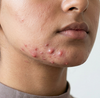



Acne-prone skin can be difficult to manage. Many people focus entirely on controlling oil and treating breakouts, often overlooking one of the most important aspects of healthy skin: the skin barrier.
When breakouts appear, it's common to reach for stronger cleansers, exfoliating acids, retinoids, or spot treatments. While these ingredients can be effective, overusing them may weaken the skin barrier, leading to dryness, redness, irritation, and even more breakouts.
This is where a ceramide moisturizer for acne-prone skin can make a noticeable difference.
Ceramides help restore and strengthen the skin's natural barrier, allowing the skin to retain moisture, defend against irritants, and recover more effectively from acne treatments. But do ceramide moisturizers actually help acne? Can they clog pores? And are they suitable for oily skin?
Let's explore the science behind ceramides and why they are becoming an essential part of acne-friendly skincare routines.
What Is a Ceramide Moisturizer?
Ceramides are naturally occurring lipids (fats) found in the outermost layer of the skin. They make up nearly half of the skin barrier and act like the "cement" that holds skin cells together.
Think of your skin barrier as a brick wall:
- Skin cells are the bricks.
- Ceramides are the mortar that keeps everything sealed and protected.
When ceramide levels decline due to acne treatments, environmental stressors, aging, or over-exfoliation, the skin barrier becomes compromised. This allows moisture to escape and irritants to penetrate more easily.
A ceramide moisturizer is formulated to replenish these essential lipids, helping restore hydration and strengthen the skin's protective barrier.
Benefits of Ceramide Moisturizers
- Support skin barrier repair
- Reduce moisture loss
- Improve hydration levels
- Calm visible redness
- Enhance skin resilience
- Improve tolerance to acne treatments
- Help maintain healthier-looking skin
What Causes Acne-Prone Skin to Become Irritated?
Acne itself is not always the primary cause of irritation. In many cases, the treatments used to control acne can contribute significantly to skin barrier damage.
Common Causes of Barrier Damage
Over-Cleansing
Washing the face too frequently can strip away natural oils and protective lipids, leaving the skin feeling tight and uncomfortable.
Excessive Exfoliation
Using exfoliating acids too often can weaken the skin barrier and increase sensitivity.
Acne Medications
Ingredients such as:
- Salicylic Acid
- Benzoyl Peroxide
- Retinoids
are highly effective but can also cause dryness and irritation when not balanced with proper hydration.
Environmental Stressors
Factors such as pollution, UV exposure, dry climates, and air conditioning can further compromise the skin barrier.
When the barrier is weakened, symptoms may include:
- Redness
- Flaking
- Increased sensitivity
- Burning or stinging
- Excess oil production
- Persistent irritation
Does Ceramide Moisturizer Help Acne?
Short Answer
Yes, a ceramide moisturizer for acne-prone skin can help support healthier skin by repairing the skin barrier, reducing irritation, and improving hydration. While ceramides do not directly treat acne-causing bacteria, they create an environment that allows the skin to function more effectively.
Why Ceramides Matter for Acne-Prone Skin
When the skin barrier becomes damaged, inflammation increases and moisture levels decline. This often triggers a cycle of irritation and excessive oil production.
Ceramides help by:
- Restoring barrier function
- Reducing water loss
- Calming irritation
- Supporting recovery after breakouts
- Improving skin comfort during acne treatment
Many dermatologists recommend barrier-supportive moisturizers alongside acne treatments because healthier skin is better equipped to heal and tolerate active ingredients.
How Ceramides Repair the Skin Barrier
The skin barrier is responsible for protecting the body from external irritants while keeping moisture locked inside.
When the barrier becomes compromised, water escapes more easily through a process known as transepidermal water loss (TEWL).
What Happens When the Barrier Is Damaged?
- Skin becomes dehydrated
- Sensitivity increases
- Redness becomes more noticeable
- Acne treatments may sting or burn
- Healing slows down
How Ceramides Support Recovery
Ceramides help replenish the lipids naturally found in the skin barrier.
This allows the skin to:
- Retain moisture more effectively
- Improve resilience against irritation
- Recover faster from environmental stressors
- Feel smoother and more comfortable
Over time, consistent use of a barrier-supportive moisturizer can help reduce many of the symptoms associated with barrier damage.
Why Acne-Prone Skin Still Needs Moisturizer
One of the most common skincare myths is:
"Oily skin doesn't need moisturizer."
In reality, oily skin can also be dehydrated.
When the skin lacks hydration, it often compensates by producing more oil. This can make skin appear shinier while still feeling tight and uncomfortable underneath.
Signs that your skin may be dehydrated include:
- Tightness after cleansing
- Midday oiliness
- Flaking around acne lesions
- Increased sensitivity
- Rough texture
Using a lightweight moisturizer for oily acne-prone skin can help restore balance without making the skin feel greasy.
Can Ceramide Moisturizer Cause Breakouts?
This is one of the most frequently asked questions among acne-prone skincare users.
The Truth
Ceramides themselves are not considered pore-clogging ingredients.
However, the overall formula of a moisturizer matters.
Some moisturizers may contain:
- Heavy oils
- Thick occlusives
- Rich emollients
that certain individuals find too heavy for their skin type.
How to Avoid Breakouts
Look for products that are:
- Oil-free
- Lightweight
- Non-comedogenic
- Fragrance-free
- Designed for acne-prone skin
The right formulation can provide barrier repair benefits without contributing to congestion.
Is Ceramide Moisturizer Good for Oily Skin?
Absolutely.
Many people associate moisturizers with heaviness, but modern ceramide formulations can be surprisingly lightweight.
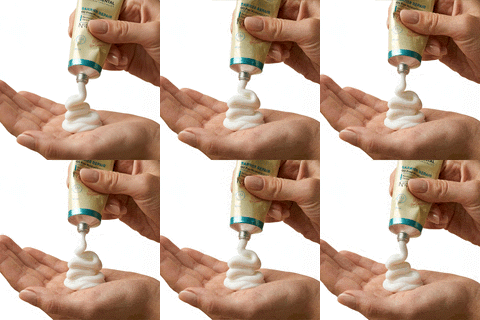
A well-formulated oil-free ceramide moisturizer can provide hydration and barrier support without leaving a greasy residue.
Benefits for Oily Skin
- Lightweight hydration
- Improved skin comfort
- Reduced irritation
- Better balance between oil and moisture
- Easier layering with sunscreen
The key is choosing a formula specifically designed for oily or combination skin types.
Ceramide Moisturizer vs Gel Moisturizer
Many people wonder whether they should choose a ceramide moisturizer or a gel moisturizer.
Ceramide Moisturizer
Best For:
- Barrier repair
- Sensitive skin
- Post-acne recovery
- Dry or dehydrated acne-prone skin
Benefits:
- Long-lasting hydration
- Barrier support
- Improved skin resilience
Gel Moisturizer
Best For:
- Extremely oily skin
- Humid climates
- Minimal hydration needs
Benefits:
- Lightweight texture
- Fast absorption
- Cooling sensation
Which One Is Better?
For most acne-prone individuals, a lightweight ceramide moisturizer offers a more balanced approach because it provides both hydration and barrier repair.
Ingredients That Work Well With Ceramides
Ceramides become even more effective when paired with complementary skincare ingredients.
Niacinamide
Helps regulate excess oil production while supporting skin barrier function.
Hyaluronic Acid
Draws water into the skin and improves hydration.
Panthenol
Provides soothing benefits and helps reduce irritation.
Centella Asiatica
Known for its calming properties and support for sensitive skin.
Salicylic Acid
A popular acne-fighting ingredient that pairs well with ceramides because barrier support helps reduce dryness.
30-Day Skin Barrier Recovery Journey
To understand the impact of barrier repair, consider this common skincare experience.
Starting Condition
- Oily skin
- Active breakouts
- Tightness after cleansing
- Redness around the cheeks
- Flaking near acne lesions
Routine
Morning:
- Gentle cleanser
- Niacinamide serum
- Ceramide moisturizer
- Sunscreen
Evening:
- Gentle cleanser
- Salicylic Acid (three times weekly)
- Ceramide moisturizer
Week 1
- Less tightness after cleansing
- Improved comfort
Week 2
- Reduced redness
- Better hydration
Week 3
- Improved tolerance to active ingredients
- Fewer signs of irritation
Week 4
- More balanced skin
- Healthier appearance
- Reduced sensitivity
Key Takeaway
Barrier repair often improves skin comfort before visible acne improvements become noticeable.
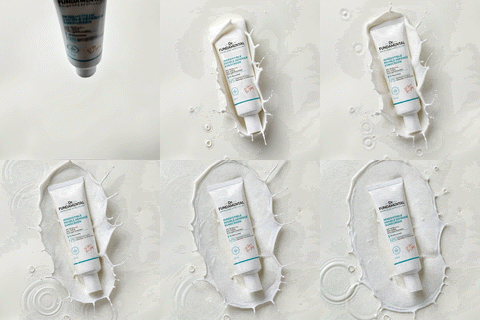
How DR Fundamental Barrier Repair Oil-Free Moisturizer Fits Into an Acne Routine
For acne-prone skin, choosing the right moisturizer is just as important as selecting the right treatment products.
The DR Fundamental Barrier Repair Oil-Free Moisturizer is formulated with barrier-supportive ingredients including:
- Ceramide Complex
- Niacinamide
- Zinc PCA
- 5% Panthenol
- Cholesterol
Its lightweight, fragrance-free formula is designed for:
- Oily skin
- Combination skin
- Sensitive skin
- Acne-prone skin
Because it focuses on barrier support without a heavy texture, it can fit comfortably into both morning and evening skincare routines.
Final Thoughts
Healthy skin isn't just about treating breakouts—it's also about protecting the skin barrier.
A ceramide moisturizer for acne-prone skin can play an important role in maintaining hydration, reducing irritation, and helping the skin recover from the stress of acne treatments. While ceramides aren't a direct acne treatment, they support the foundation of healthy skin, making them a valuable addition to many skincare routines.
If your skin often feels tight, sensitive, or irritated after using acne products, it may be time to focus on barrier repair alongside breakout management.
Strengthen Your Skin Barrier
Looking for a lightweight, acne-friendly moisturizer? Explore the DR Fundamental Barrier Repair Oil-Free Moisturizer and build a skincare routine that supports hydration, comfort, and long-term skin health.