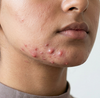



If you have been using acne treatments and wondering why your skin still feels dry, tight, red, or irritated, you are not alone. Millions of people dealing with acne-prone skin go through a frustrating cycle — the treatment clears the pimple, but leaves behind a damaged, flaky, and sensitive barrier. What most people miss is a single, often underestimated step: the right moisturizer.
But here is the real question. Can a moisturizer actually reduce the side effects caused by acne treatments like benzoyl peroxide, salicylic acid, or retinoids? The short answer is yes, and science firmly backs it up. However, not every moisturizer does this job well. The right one needs to be specifically formulated for the kind of skin that is already dealing with active treatments — and that means it needs to be a proper ceramide moisturizer for oily skin that repairs without clogging.
What Acne Treatments Actually Do to Your Skin
Before diving into how moisturizers help, it is important to understand what acne treatments are doing to your skin in the first place.
Topical activities like benzoyl peroxide, salicylic acid, retinoids, and adapalene are among the most effective tools for fighting breakouts. They work by killing bacteria, unclogging pores, speeding up cell turnover, and reducing inflammation. But here is the trade-off — all of these activities, while powerful, put significant stress on your skin barrier.
Side effects of topical retinoids commonly include erythema, dryness, itching, stinging, and photosensitivity — and these side effects may lead to poor patient compliance and unsuccessful treatment. Similarly, benzoyl peroxide, while effective at targeting acne-causing bacteria, is an oxidizing agent that strips the skin of moisture and disrupts its natural lipid layer.
In reality, over-drying your skin with acne products can cause skin irritation and potentially cause your skin to produce more oil. This creates an ironic cycle — you use products to fight acne, your skin gets stripped, it compensates by producing excess sebum, and suddenly you are dealing with both breakouts and an oily, reactive complexion.
That is exactly where a well-formulated moisturizer becomes not just helpful, but essential.
The Skin Barrier and Acne: A Connection Most People Ignore
Research suggests that acne patients have a deficiency in total ceramides and free sphingosine, meaning that skin barrier dysfunction may contribute to the very signs and symptoms of acne.
Think of your skin barrier as a brick wall. The skin cells are the bricks, and ceramides — natural lipids present in the outer layer of the skin — are the mortar that holds everything together. When this mortar weakens due to harsh acne treatments, environmental stress, or over-cleansing, the wall starts to crack. Water escapes, irritants get in, and the skin becomes inflamed, reactive, and prone to more breakouts.
When your skin has enough ceramides, your barrier stays healthy — which means fewer irritants getting in and less water escaping. But when acne treatments break down this barrier, the result is stinging, redness, dry flakes, and excess oil at the same time.
This is why barrier repair is not an optional luxury step in an acne routine. It is a necessity. And the best vehicle for barrier repair? A ceramide moisturizer.
How a Ceramide Moisturizer Reduces Acne Treatment Side Effects
There is clear evidence of benefits from using ceramide-containing moisturizers alongside acne treatments. The goal of moisturizer use is to improve skin condition by reducing irritation and inflammation — and this may result in more rapid improvement in the acne and skin condition than could be achieved otherwise, while also improving patient adherence and treatment efficacy.
In simpler terms, when your skin is comfortable, you are more likely to stick with your acne treatment. And consistency is exactly what gets results.
Here is how ceramide moisturizer specifically helps manage common side effects:
Dryness and Flakiness: Ceramides seal the lipid barrier, reducing trans-epidermal water loss (TEWL). This means the moisture already in your skin stays there, instead of evaporating and leaving you with tight, peeling skin after using retinol or benzoyl peroxide.
Redness and Irritation: Ceramides help rebuild the skin barrier, making your skin less reactive and more resilient. They help buffer the drying effects of salicylic acid, sulphur, or benzoyl peroxide.
Excess Oiliness: This one surprises a lot of people. Oily skin is often mistaken for hydrated skin, but skin that is oily and dehydrated at the same time is super common in acne-prone people. When your skin is stripped of moisture, it tries to compensate by producing more oil. Ceramides can help break that cycle by hydrating and repairing without making your skin feel greasy.
Burning Sensations: A published clinical study in PubMed found that a bioactive moisturizer containing ceramide and panthenol helped reduce burning sensations in patients using adapalene and benzoyl peroxide gel, while also improving hydration and reducing dryness compared to a traditional moisturizer.
Why Oily and Acne-Prone Skin Still Needs Moisturizer
One of the most damaging myths in skincare is that oily skin does not need moisturizer. If you have been skipping it out of fear that it will make your skin greasier or cause more breakouts, this section is for you.
A very common myth is that oily skin does not need moisturizer. Many people with acne stop moisturizers completely because they fear it will cause more breakouts. The real issue is not moisturizer itself, but choosing heavy, comedogenic formulas instead of a non-comedogenic moisturizer that suits oily skin.
The key is texture and formulation. Heavy, oil-based creams are indeed problematic for oily, breakout-prone skin. But a lightweight, non-comedogenic, oil-free formula changes the equation completely. The best moisturizer for oily acne prone skin should hydrate the skin without adding oil to the surface, lock in moisture without clogging pores, and repair the barrier without leaving a greasy finish.
Especially when used in lightweight gel-based moisturizers, ceramides are a game-changer for oily skin types. Not all ceramide products are created equal — the format matters just as much as the ingredients themselves.
The Sandwich Method: Making Actives and Moisturizer Work Together
One technique that has gained popularity in dermatology circles is the "moisture sandwich method" — and it is particularly useful for people who experience irritation from retinoids.
If you have sensitive skin, consider the sandwich method when using retinol. Apply a layer of moisturizer before and after retinol to create a protective barrier that significantly reduces irritation. This simple technique allows you to enjoy the benefits of retinol for skin renewal without compromising on comfort.
For benzoyl peroxide users, the approach is slightly different. If you need to use benzoyl peroxide, apply it separately and allow it to absorb fully before applying your ceramide moisturizer. This way you get the acne-clearing benefits of the active without sacrificing the barrier repair function of your moisturizer.
A simple, effective daily routine for acne-prone skin looks like this:
Morning: Gentle cleanser → acne serum → ceramide moisturizer for oily skin → SPF
Evening: Gentle cleanser → active treatment (salicylic acid or retinoid) → ceramide moisturizer
What to Look for in a Ceramide Moisturizer for Oily, Acne-Prone Skin
Not every moisturizer with "ceramide" on the label is right for acne-prone skin. Here is what actually matters when choosing:
Multiple ceramide types: The skin barrier contains several types of ceramides. Look for ceramide NP, ceramide AP, and ceramide EOP together — this combination mirrors the skin's own lipid matrix more closely than a single ceramide type.
Panthenol (Vitamin B5): Panthenol is anti-inflammatory and helps relieve skin irritation, redness, sunburn, acne inflammation, and repair the skin. A 5% concentration is highly effective for barrier repair without any pore-clogging risk.
Zinc PCA: This ingredient is important for oily, breakout-prone skin because it helps regulate sebum production, reducing the greasiness that many people fear from moisturizers.
Niacinamide: Ceramides help increase the barrier function of the skin and improve moisture retention, while niacinamide improves pore size and skin texture. Together, they create a calmer, more balanced complexion.
Non-comedogenic and fragrance-free: Fragrances are a common cause of contact dermatitis and reactive skin, especially when the barrier is already compromised by acne treatment. An ideal moisturizer should be completely fragrance-free.
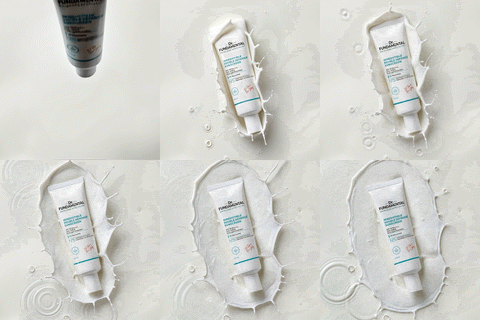
Introducing Dr. Fundamental N0.4 Barrier Repair Oil-Free Moisturizer
Formulated specifically for acne-prone Indian skin, the Dr. Fundamental N0.4 Barrier Repair Oil-Free Moisturizer is a clinically thoughtful answer to post-acne-treatment skin stress. It combines Ceramide NP, AP, and EOP with 5% Panthenol and Zinc PCA to address all the core problems that arise when you are actively treating acne — dryness, redness, tightness, and reactive oiliness.
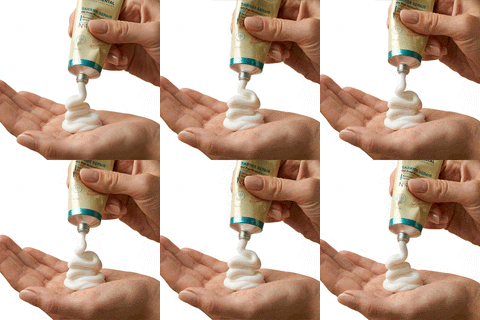
What makes it genuinely suited as a ceramide moisturizer for oily skin is its lightweight, oil-free texture that absorbs without leaving any greasy finish. It is non-comedogenic, fragrance-free, and dermatologically tested — meaning it is built to work alongside your acne actives, not against them.
The clinical data from the product speaks clearly:
- 61% of users felt relief from tightness and barrier discomfort within just 5 minutes of first use.
- 97% reported improved skin elasticity and reduced itchiness and dryness after consistent use.
- 84% saw reduced post-acne redness and supported healing without clogging pores.
It fits into your routine as Step 4 — after cleanser, serum, and active treatment — making it a natural bridge between acne treatment and sunscreen. It is equally effective in both morning and evening routines. For nights when your skin feels particularly irritated after actives, applying a slightly more generous layer on dry or reactive areas creates a targeted barrier repair effect as you sleep.
At just ₹550 for 50ml with a buy-any-2-at-₹799 offer, it is a genuinely accessible option that does not ask you to choose between treating your acne and protecting your skin.
Common Mistakes People Make With Moisturizer and Acne Treatments
Even with the right products, a few habits can reduce how well your routine works:
Skipping moisturizer on "good skin days": Barrier repair is cumulative. Consistent daily use is what builds resilience over time, not occasional use when your skin feels inflamed.
Applying moisturizer too soon after actives: Give your acne treatment 5–10 minutes to absorb before layering moisturizer on top. This ensures the active ingredient makes proper contact with the skin.
Using heavy moisturizers at night "for extra hydration": More product does not always mean more benefit. A thick, occlusive night cream can trap debris in oily, acne-prone skin. An oil-free formula, used consistently, does more work with less risk.
Skipping sunscreen: Focus on barrier repair using gentle, fragrance-free moisturizers with ceramides or hyaluronic acid, and never skip sunscreen when using salicylic acid, as it can increase sun sensitivity. The same applies to retinoids and benzoyl peroxide.
Final Thoughts
Your moisturizer is not just a comfort step. When you are using acne treatments, it is a strategic part of your routine that determines whether your skin can tolerate, and benefit from, those activities long-term. The right ceramide moisturizer rebuilds what acne treatments break down — restoring the barrier, calming inflammation, regulating oil, and keeping your skin in a state where healing can actually happen.
For oily, acne-prone skin, the goal is never to strip away all moisture. The goal is balance. And a well-formulated ceramide moisturizer for oily acne prone skin — oil-free, non-comedogenic, and loaded with the right barrier-repairing ingredients — is the most direct way to get there.