




If you have oily skin, you already know the routine. You cleanse, tone, moisturise, and by the time you step out of the house, your face has turned into a reflective surface by noon. Add a sunscreen that feels like a layer of cooking oil on top, and the whole morning effort feels wasted. But here's the truth — skipping SPF is never the answer. The solution is finding a sunscreen that actually respects your skin type.
So what really separates a genuinely oil control sunscreen from one that just markets itself that way? Let's break it down honestly.
Why Oily Skin Struggles With Most Sunscreens
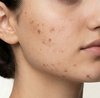
Oily skin already produces excess sebum — a natural lipid that keeps the skin barrier hydrated. The problem arises when traditional sunscreen formulas, loaded with heavy emollients or silicone bases, pile on top of that existing oil layer. The result? Congested pores, a greasy film that doesn't budge, and in many cases, new breakouts.
This is why the texture of your sunscreen matters just as much as the SPF rating. A thick, cream-based formula that works beautifully for someone with dry skin can be a disaster for an oily skin type — particularly in a hot and humid Indian climate where temperatures push your sebaceous glands into overdrive.
The Midday Shine Test: 5 Things a Real Oil-Control Sunscreen Must Pass
Not all "matte finish" sunscreens are created equal. Here's a practical checklist to judge whether a sunscreen is truly built for oily skin — or just claims to be.
|
Test |
What to Look For |
|
Texture Check |
Gel-fluid or water-fluid texture; absorbs within 30–60 seconds |
|
Shine Check |
Skin looks matte or natural, not greasy, 4 hours after application |
|
Pore Check |
No visible congestion, whiteheads, or bumps after 2–3 weeks of use |
|
White Cast Check |
No chalky residue; invisible on Indian skin tones |
|
Reapplication Check |
Doesn't feel heavy or suffocating when reapplied during the day |
If a sunscreen fails even one of these, it's not your best long-term option.
Ingredients That Actually Control Oil in a Sunscreen
Before picking up any sunscreen cream for oily skin, flip the bottle and look for these key actives:
Niacinamide (Vitamin B3)
This is the gold standard for sebum regulation in a sunscreen formula. At 5% concentration, niacinamide actively reduces the visible size of pores, controls oil production at the source, and simultaneously calms inflammation — making it ideal for acne-prone users. It doesn't just mask shine; it addresses why your skin shines in the first place.
Zinc PCA
A combination of zinc and pyrrolidone carboxylic acid, this ingredient is a powerful oil regulator that also carries mild antimicrobial properties — particularly helpful for those prone to fungal acne or bacterial breakouts.
Hyaluronic Acid
Counterintuitive as it sounds, oily skin still needs hydration. When skin is dehydrated, it overproduces oil to compensate. A sunscreen that includes hyaluronic acid hydrates without adding grease, breaking that cycle.
Ceramides
These lipid molecules strengthen the skin barrier. A compromised barrier is one of the hidden reasons some people experience excess oiliness — their skin tries to self-protect by producing more sebum.
What Makes a Sunscreen Non-Comedogenic — And Why It Matters
The term non comedogenic sunscreen gets tossed around a lot, but it has a specific meaning: the formula has been tested and confirmed not to clog pores. For oily and acne-prone skin, this isn't a bonus feature — it's a baseline requirement.
Pore-clogging ingredients to watch out for include: coconut oil, isopropyl myristate, sodium lauryl sulphate, and certain waxes. A non-comedogenic formula avoids these in favour of lightweight, breathable alternatives like dimethicone (in controlled amounts), water-based gels, and specific acrylate copolymers that create a smooth, non-occluding finish.
The Case for SPF 50 PA++++ in the Indian Climate
Indian UV radiation levels are significantly higher than most of Western Europe or North America for the majority of the year. Dermatologists across India recommend a minimum of SPF 50 with PA++++ — that four-plus PA rating indicates the highest UVA protection tier available on product labelling. UVA rays are the ones responsible for post-acne darkening (PIH), premature ageing, and deeper skin damage — none of which are visible as sunburn but are doing real harm.
SPF 50 blocks approximately 98% of UVB radiation. Paired with PA++++, it creates a broad-spectrum shield that's genuinely effective in outdoor Indian conditions — especially during the 10am to 4pm window when UV indices are at their peak.
Meet DR. Fundamental's Irresistible Double Defence Sunscreen
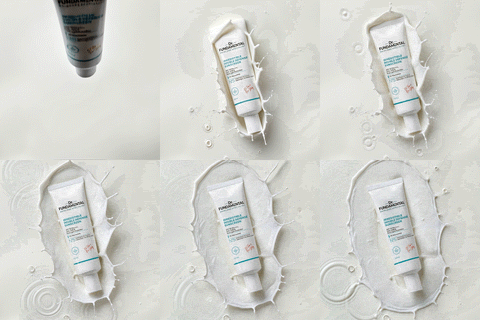
DR. Fundamental's N0.5 Irresistible Double Defence Sunscreen (SPF 50 PA++++) was built with a very specific skin type in mind — oily, acne-prone, barrier-sensitive Indian skin. Here's what sets it apart from generic options cluttering the market.
Fluid, Not Cream
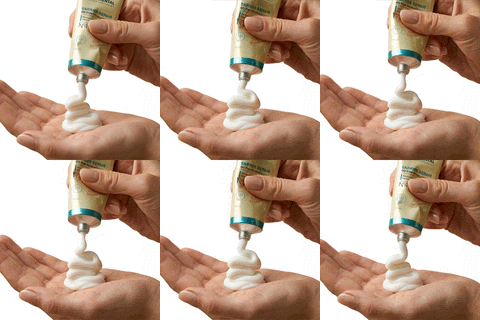
The formula sits in fluid territory, meaning it spreads easily, sinks into the skin quickly, and doesn't sit on the surface. 78% of users in clinical testing described it as non-sticky and non-greasy — a rare experience with SPF products.
5% Niacinamide Dual Action
The inclusion of 5% niacinamide isn't decorative. It actively reduces inflammation, visibly controls oil during wear, and works against hyperpigmentation — particularly helpful for preventing post-acne marks from deepening with sun exposure.
Zero White Cast
97% of clinical testers confirmed no white cast and fast absorption. This matters especially for darker Indian skin tones where mineral sunscreens or poorly formulated SPFs tend to leave a greyish or chalky residue.
True Non-Comedogenic Formula
Fragrance-free, dermatologically tested, and gentle enough for sensitive and post-treatment skin. It will not trigger breakouts or worsen existing acne — making it a legitimate option for people who've previously given up on daily SPF because it kept causing congestion.
At just ₹399 for 50ml, it's also one of the most accessible options in its category.
The Best Sunscreen for Men with Oily Skin — Yes, This One
Men often skip sunscreen entirely. The reasons are familiar: too greasy, leaves residue on collars, feels heavy, or makes the face look visibly shiny within an hour. The best sunscreen for men oily skin needs to be almost undetectable — it should feel like nothing after application, not like a product.
A fluid formula with a natural or matte finish solves this entirely. The DR. Fundamental Double Defence absorbs quickly, leaves no shine, and layers invisibly — with or without any additional product on top. It's a practical daily-use sunscreen that doesn't require any lifestyle adjustment to wear consistently.
How to Apply Sunscreen on Oily Skin for Maximum Effect
Even the best sunscreen underperforms if applied incorrectly. A few rules:
- Apply on clean skin, after moisturiser, as the last step of your morning routine
- Use at least two finger lengths of product for face and neck combined — most people significantly under-apply
- Apply 15 minutes before stepping outdoors
- Reapply every 2–3 hours during prolonged outdoor exposure, or after sweating
- On oily skin days, blotting papers before reapplication help lift excess sebum without removing SPF protection