


You wake up, blast the AC to survive another scorching morning, step outside into a cloud of city smog, and by evening your skin looks congested, feels tight, yet somehow still greasy. Sound familiar?
Most people blame their skincare routine for this chaos. But the real damage is happening before you even open your cabinet — it's the invisible trio of air conditioning, heat, and pollution silently stripping your skin barrier every single day.
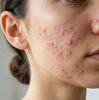
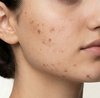
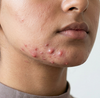
If you have oily or acne-prone skin, this is especially critical to understand. A compromised barrier doesn't just mean dryness. It means more breakouts, more sensitivity, and a constant battle against your own skin.
What Exactly Is Your Skin Barrier (And Why Should You Care)?
Think of your skin barrier as a brick wall. The skin cells are the bricks, and ceramides — naturally occurring lipids — are the mortar holding everything together. This structure locks moisture in and keeps pollutants, bacteria, and irritants out.
When this wall develops cracks, everything goes wrong at once:
- Moisture escapes faster than you can replenish it (called transepidermal water loss, or TEWL)
- Pollution particles slip in more easily
- Skin becomes reactive, red, and prone to breakouts
- Acne treatments sting more than they should
The cruel irony? Oily skin is just as vulnerable to barrier damage as dry skin — sometimes more so, because the damage is hidden under a greasy surface.
How Air Conditioning Destroys Your Barrier (Without You Noticing)
Here's what most skincare articles won't tell you plainly: your AC is dehydrating your skin in real-time, every single hour you sit under it.
Air conditioners cycle air across a refrigerant coil that both cools and dehumidifies. Indoor relative humidity in AC environments typically drops to 20–40% — well below the 45–60% range that human skin is actually designed for. In India, where AC use runs for 8–14 hours a day across home and office environments from March to October, this is a daily, cumulative problem for a significant portion of the urban population.
What happens to your skin in that low-humidity environment?
|
What Happens |
What It Looks Like on Your Skin |
|
TEWL increases sharply |
Skin feels tight by afternoon |
|
Lipid barrier weakens |
Products start to sting or irritate |
|
Sebum production compensates |
Skin feels oily but dehydrated underneath |
|
Skin heals slower |
Acne marks linger longer |
Cold, dry, and abrasive air can make oily skin oilier and cause breakouts. Since air conditioners remove moisture from the skin, your skin detects this and responds by overproducing moisture to protect itself — and most of that moisture is essentially oil.
So if your skin gets progressively oilier throughout an air-conditioned workday, it's not a sebum problem. It's a barrier repair problem.
Heat Does the Opposite — And It's Equally Damaging
Step outside and the damage continues, just differently.
Excessive heat accelerates sweating, which temporarily flushes out pores but also disrupts the skin's pH and lipid balance. High temperatures cause existing inflammation to flare — severe heat and sweating can make people scratch more, aggravating eczema symptoms, and extreme heat and sweat also exacerbate psoriasis and facial flushing.
For oily acne-prone skin, heat is a double trigger: it increases sebum production while simultaneously creating a warm, moist environment where acne-causing bacteria thrive. And here's what catches people off guard — going from intense outdoor heat back into air conditioning (which most of us do dozens of times a day) creates a humidity shock that your barrier has to adjust to constantly. That back-and-forth is exhausting for your skin.
The Pollution Layer: A Slow, Silent Attack
While AC and heat give you immediate, noticeable discomfort, pollution operates on a slower, more insidious timeline.
Air pollution significantly contributes to and worsens various dermatologic conditions through oxidative stress, inflammation, and disruption of the skin barrier — including skin aging, atopic dermatitis, acne, psoriasis, and hair loss.
Ground-level ozone depletes the skin of vitamins E and C — two essential ingredients in the body's natural defence mechanism that protect against oxidative damage. It also strips away the protective barrier that helps keep nutrients and moisture in, and toxic compounds out, because ozone increases lipid peroxidation, which degrades the lipid component of the barrier.
The result? Pollution exposure leads to increased dehydration, increased sebum production, and increased skin sensitivity — all three at the same time. For anyone looking for the best winter moisturizer for acne prone skin or trying to manage oily skin year-round, this environmental reality changes everything about how you should approach your routine.
Why Oily Skin Gets It the Worst
There's a persistent myth that oily skin is "self-moisturizing" or somehow more resilient. It isn't.
Many people with oily complexions find themselves trapped in a frustrating cycle: their skin is greasy on the surface yet feels uncomfortably tight or "thirsty" underneath. Once the skin recognizes it is properly hydrated, it often stops over-producing oil, leading to a complexion that feels comfortable rather than greasy and looks balanced rather than shiny.
The real issue is that people with oily skin often skip moisturizer entirely — which makes the barrier damage significantly worse. Without a properly functioning barrier, every stressor (AC, heat, pollution, acne treatments) lands harder on the skin.
The Ceramide Connection: Why Your Barrier Needs This Ingredient
This is where science gives us a clear answer. The reason your skin barrier breaks down faster in modern environments is that ceramide levels in the skin naturally deplete — and environmental stressors speed that up dramatically.
When ceramide levels decline due to acne treatments, environmental stressors, aging, or over-exfoliation, the skin barrier becomes compromised. This allows moisture to escape and irritants to penetrate more easily.
Replenishing ceramides through a well-formulated moisturizer is one of the most evidence-backed things you can do for your skin. A ceramide moisturizer for oily skin works differently from a regular moisturizer — it actively rebuilds the lipid structure of the barrier rather than just sitting on top of the skin.
Ceramides help restore and strengthen the skin barrier, reducing sensitivity and providing a protective shield against environmental aggressors such as air pollution, UV exposure, and extreme temperatures. They also have anti-inflammatory properties that can help calm irritated skin.
For a moisturizer for oily acne prone skin, the key is finding this barrier-repair power in an oil-free, non-comedogenic formula — one that repairs without adding congestion.
What to Look for in a Barrier Repair Moisturizer for Oily Skin
Not every ceramide moisturizer works for oily or acne-prone skin. Most people make the mistake of picking a heavy cream — and then blame ceramides when they break out.
The right formula should:
- Be oil-free and non-comedogenic — no pore-clogging ingredients
- Contain a ceramide complex (ideally multiple ceramide types)
- Include supporting ingredients like niacinamide, hyaluronic acid, or allantoin for added hydration and calming
- Have a lightweight gel or fluid texture that absorbs quickly
- Be fragrance-free to avoid unnecessary irritation on a compromised barrier
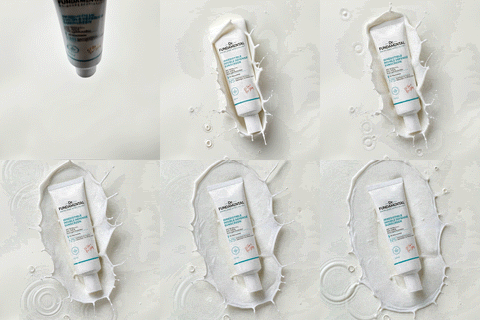
Dr. Fundamental's Barrier Repair Oil-Free Moisturizer — Built for This Exact Problem
Dr. Fundamental's Barrier Repair Oil-Free Moisturizer was formulated with the urban, oily, and acne-prone skin type in mind — specifically the kind of skin that spends all day bouncing between AC environments, city pollution, and heat.
It delivers ceramide-powered barrier repair in a formula light enough to wear under sunscreen, to the gym, and through a full workday under air conditioning. No greasy residue. No pore-clogging. Just consistent, daily barrier rebuilding.
Whether you're looking for the best winter moisturizer for acne prone skin (because winter + indoor heating is just as drying as summer AC), or a daily solution for moisturizer for oily acne prone skin year-round, this is designed for exactly that use case.
Your Daily Barrier Protection Routine
Morning: Gentle cleanser → ceramide moisturizer for oily skin → SPF
Evening: Double cleanse to remove pollution residue → actives (if using) → barrier repair moisturizer
Weekly: Reduce over-exfoliation — one of the top causes of barrier damage that makes environmental stressors land even harder.