

The Uncomfortable Truth About Acne Treatments
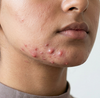
You finally started your acne treatment — benzoyl peroxide, retinoids, salicylic acid, or a prescription from your dermatologist. A few days in, your skin is peeling, stinging, and looks angrier than your actual breakouts. Sound familiar?
Here's what most people do wrong: they either ditch the moisturizer thinking it will clog pores, or they reach for something too heavy that suffocates the skin. Both choices slow down your progress.
The real game-changer? Choosing the right moisturizer — one built specifically to buffer the harsh effects of acne actives without triggering new breakouts. And that's exactly where a ceramide moisturizer for acne prone skin steps in.
Why Acne Treatments Wreck Your Skin Barrier (And Why That Matters)
Your skin barrier — also called the stratum corneum — is a microscopic shield made of skin cells and lipids, including ceramides. When this shield is intact, your skin stays calm, hydrated, and balanced.
Acne treatments, however, are designed to be aggressive. That's the point. They kill bacteria, unclog pores, and accelerate cell turnover. But in doing so, they also:
- Strip natural ceramides and lipids from your skin
- Disrupt the acid mantle (your skin's pH defense)
- Cause transepidermal water loss (TEWL)
- Trigger redness, peeling, and sensitivity
The result is a compromised skin barrier — the #1 reason people quit effective acne treatments too early. A proper moisturizer doesn't undermine your treatment. It makes it sustainable.
What Your Moisturizer Actually Needs to Do
Not every moisturizer earns a spot in an acne routine. The wrong formula — thick, occlusive, fragrance-loaded — can clog pores and undo your progress in one application. The right one does three specific jobs:
|
Job |
Why It Matters |
|
Restore ceramides |
Rebuilds the lipid layer that actives deplete |
|
Deep hydration |
Prevents the dryness-oil cycle that worsens breakouts |
|
Soothe inflammation |
Calms redness and irritation from treatments |
|
Non-comedogenic formula |
Hydrates without clogging pores |
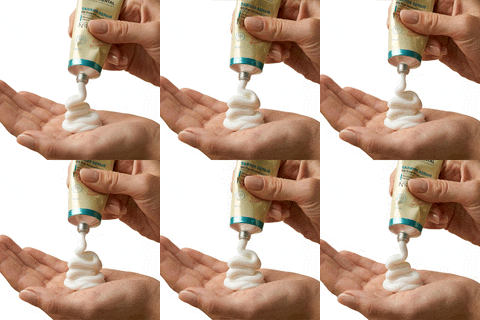
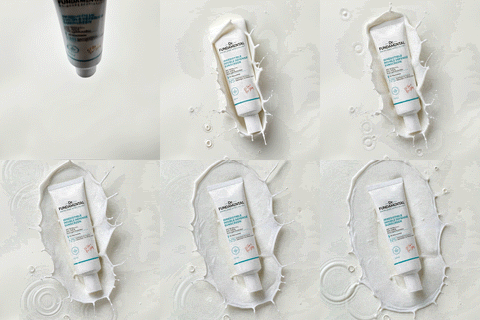
This is precisely what DR. Fundamental's Barrier Repair Oil-Free Moisturizer is formulated to do.
The Science Behind the Formula: Ceramides + 5% Panthenol
Ceramides: Your Barrier's Building Blocks
Ceramides make up nearly 50% of the skin barrier's lipid content. When acne treatments deplete them, your skin becomes dry, reactive, and paradoxically more prone to breakouts — because a damaged barrier can't regulate oil production properly.
A ceramide moisturizer for acne prone skin replenishes these essential lipids at a structural level. It doesn't just sit on the surface. Ceramides integrate into the skin's existing matrix, restoring the intracellular "cement" that holds everything together. The result: reduced water loss, improved resilience, and a skin barrier that can actually withstand your acne treatment without falling apart.
5% Panthenol: The Unsung Hero of Acne Routines
If ceramides are the structure, panthenol (Pro-Vitamin B5) is the healer. The 5% Panthenol moisturizer for acne prone skin in DR. Fundamental's formula works at a level most skincare brands ignore.
Here's what 5% Panthenol does when your skin is in acne-treatment distress:
- Humectant hydration — Like hyaluronic acid, panthenol draws water into the skin and holds it there. But unlike HA, it also penetrates into deeper skin layers for longer-lasting moisture.
- Accelerated wound healing — Acne lesions are minor wounds. Panthenol has been clinically studied for its ability to stimulate tissue regeneration and reduce the time your skin takes to recover.
- Anti-inflammatory action — It calms the redness, burning, and swelling that retinoids and benzoyl peroxide leave behind.
- Non-comedogenic by nature — Panthenol doesn't clog pores. In fact, it's one of the few potent actives that even ultra-sensitive, breakout-prone skin tolerates without issue.
The 5% concentration in DR. Fundamental's formula isn't a trace amount added for a marketing claim. It's a therapeutic dose — enough to produce a visible, measurable difference in how your skin feels after treatment.
Why This Is the Best Winter Moisturizer for Acne Prone Skin
Winter is particularly brutal for acne-prone skin. Cold air has low humidity, indoor heating evaporates moisture rapidly, and skin goes into overdrive trying to compensate. The outcome? A vicious cycle: dry, irritated skin produces more oil, more oil leads to clogged pores, clogged pores mean more breakouts.
Most winter moisturizers for oily skin fail because they overload the skin with heavy emollients to fight dryness — and end up causing the exact breakouts they're meant to prevent.
DR. Fundamental's Barrier Repair Moisturizer is formulated as the best winter moisturizer for acne prone skin because it solves both sides of the winter skin problem simultaneously:
The Dryness Problem → Ceramides + 5% Panthenol restore and lock in moisture at a deep level, preventing winter dehydration without heaviness.
The Breakout Problem → The oil-free, non-comedogenic base ensures zero pore congestion, even when your skin is already stressed from cold weather and acne treatment.
It's the rare formula that gets lighter as temperatures drop — and that's the whole point.
How to Layer It Into Your Acne Routine
Timing and layering are everything. Here's how to incorporate it without interfering with your actives:
Morning Routine:
- Gentle, pH-balanced cleanser
- Toner or treatment serum (niacinamide, vitamin C)
- DR. Fundamental Barrier Repair Moisturizer
- Sunscreen (non-negotiable with acne actives)
Night Routine:
- Double cleanse if wearing SPF
- Acne treatment (retinoid, benzoyl peroxide, or prescription)
- Wait 5–10 minutes for absorption
- DR. Fundamental Barrier Repair Moisturizer as a buffer layer
Pro Tip: For high-irritation treatments like tretinoin, try the "sandwich method" — apply moisturizer before and after your active. This reduces peeling and redness without diluting efficacy.
Who Needs This Moisturizer Most?
You'll benefit the most from a ceramide moisturizer for acne prone skin if you are:
- Currently using retinoids, adapalene, or tretinoin
- On benzoyl peroxide and experiencing dryness and flaking
- Dealing with post-acne marks that are slow to heal
- Going through a harsh Indian winter with dry, centrally-heated air
- Suffering from the "my skin is oily and dry at the same time" paradox
- Looking for a 5% Panthenol moisturizer for acne prone skin that doesn't cause new breakouts
What Sets DR. Fundamental Apart From Generic Drugstore Picks
Most accessible moisturizers for acne-prone skin give you one or two active ingredients. DR. Fundamental's Barrier Repair Moisturizer layers multiple mechanisms:
- Ceramides for structural barrier repair
- 5% Panthenol for healing, hydration, and anti-inflammation
- Oil-free formulation for zero comedogenic risk
- Designed to complement — not compete with — your acne treatments
It's not a generic moisturizer with ceramides added as a footnote. It's a barrier-first formula built from the ground up for skin that's in active recovery.