


You finally notice it — the dark patch that sat stubbornly on your cheek for months has started to lighten. You feel relieved. You feel hopeful. But then, a few weeks later, you get a new breakout, and right back comes that familiar shadow — sometimes even darker than before.
If this sounds like your skin story, you are not imagining it. Pigmentation can return. And understanding why that happens is the first step toward actually stopping the cycle — not just treating the mark, but preventing it from making a comeback.
What Actually Causes Acne Marks in the First Place?
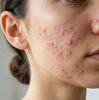
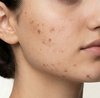
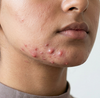
Before we talk about recurrence, let's understand the origin. When a pimple forms, your skin triggers an inflammatory response. This inflammation activates melanocytes — the pigment-producing cells in your skin — which then release an excess of melanosomes (pigment granules), resulting in a surplus of melanin in that area. The outcome? A flat, discoloured patch that we commonly call a post-acne mark or post-inflammatory hyperpigmentation (PIH).
These marks are not the same as acne scars. Unlike pimple scars, acne marks do not leave a palpable elevation or depression on the skin — they only leave discolouration. That's actually good news, because surface-level discolouration responds far better to targeted skincare than structural scarring does.
So Can Pigmentation Come Back After Fading?
Absolutely — and here's the science behind it.
Post-acne pigmentation treatment works by targeting excess melanin that accumulates in the skin after inflammation caused by acne lesions. Without treatment, these marks can persist for months or even years, becoming more difficult to fade over time.
But fading is not the same as fixing the root cause. When your melanocytes are still reactive — sensitised by years of acne, hormonal fluctuations, or UV damage — they remain on high alert. Any new trigger: a fresh breakout, sun exposure, even aggressive skincare, can reactivate them and push melanin production right back up.
There are three main reasons pigmentation returns:
1. New Breakouts = New Inflammation
Every new pimple restarts the inflammatory cascade. If you still have lots of breakouts, always get the acne under control first before worrying about pigmentation — otherwise it becomes a completely endless, self-defeating task. Treating the marks while active acne continues is like mopping the floor while the tap is still running.
2. UV Exposure Deepens and Revives Marks
The influence of UV light can darken the colour of acne marks and make them stand out more. If even more melanin collects in these areas through sunbathing, it can take even longer for the acne marks to disappear on their own. Skipping SPF is one of the most common reasons people see their pigmentation return after it had begun to lighten.
3. Reactive Melanocytes Stay Sensitised
Once melanocytes in a particular region have been triggered repeatedly, they develop a kind of "memory." They respond faster and more intensely to subsequent inflammation — which is why recurring breakouts in the same spot tend to leave progressively darker marks each time.
The Trigger-Fade-Trigger Loop: Why It Feels Never-Ending
Most people get stuck in a frustrating cycle that looks something like this:
|
Stage |
What Happens |
|
Breakout |
Inflammation triggers melanin overproduction |
|
Post-acne phase |
Dark mark forms on healed skin |
|
Treatment |
Mark begins to fade with serums or actives |
|
New breakout / sun exposure |
Mark darkens again or new mark appears nearby |
|
Repeat |
Cycle restarts |
Each irritation episode sends fresh inflammatory signals to the skin, encouraging pigment to persist longer. This is why aggressive treatments — over-exfoliation, layering too many actives, frequent scrubbing — often make things worse rather than better, even when the intention is to lighten the skin faster.
What Ingredients Actually Break the Cycle?
This is where a science-backed, consistent routine makes all the difference. The goal isn't just to fade what exists — it's to regulate melanin production at its source and prevent new marks from forming.
Tranexamic Acid has emerged as one of the most effective and gentle brightening ingredients available today. Tranexamic acid is a soothing amino acid-derived ingredient that helps reduce pigmentation and uneven tone by inhibiting melanin production, the pigment that causes dark spots. Unlike some brightening acids, it's well-tolerated by many skin types, including sensitive skin.
Niacinamide works alongside it beautifully. Niacinamide supports barrier repair while reducing pigment transfer — which means it doesn't just address existing discolouration but actively stops melanin from spreading to surrounding skin cells.
Together, these two ingredients form a powerful duo. The combination of tranexamic acid and niacinamide, powerful antioxidants, inhibit the formation of melanin and protect the skin from free radicals to intensively brighten dull skin tone and care for areas where blemishes tend to form, for clearer skin.
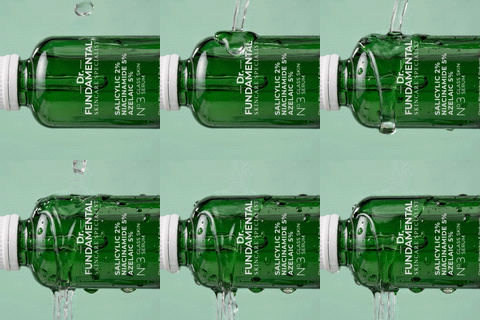
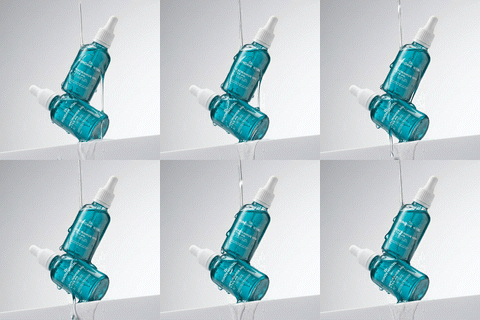
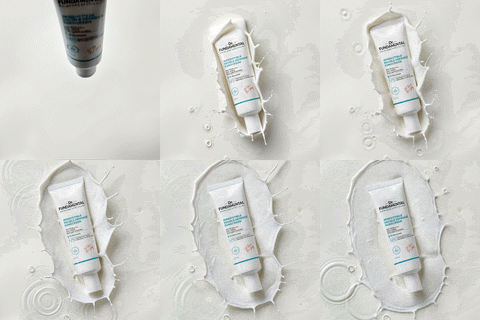
This is exactly the philosophy behind the Dr. Fundamental 4% Tranexamic Acid + 10% Niacinamide Clarifying Face Serum — a clear skin serum formulated to address the full cycle of pigmentation, not just the surface appearance of it. Whether you're dealing with blackhead-related marks, post-pimple shadows, or deeper acne scarring, this serum for acne scars is designed to work at the melanin-regulation level, not just bleach the skin temporarily.
How to Use a Clarifying Serum Without Triggering More Marks
Here's something many people get wrong: using the right ingredient in the wrong way can set you back. Strong actives applied too frequently or on a compromised skin barrier will cause irritation — and as we've established, irritation is a direct trigger for more pigmentation.
A smart approach looks like this:
-
Morning: Gentle cleanser → serum for pimples and brightening → moisturiser → broad-spectrum SPF (non-negotiable)
-
Evening: Cleanser → serum for blackheads and pigmentation → hydrating moisturiser
-
Weekly: Mild exfoliation to support cell turnover (no harsh scrubs)
Consistent use over 4–8 weeks often shows visible improvement — but the real goal is long-term regulation, not a quick fix.
What You Should Never Skip: SPF
If there is one non-negotiable in any anti-pigmentation routine, it's sun protection. To avoid UV-induced darkening, use a good SPF sunscreen when you're out in the open air — choose a product that is non-comedogenic so that it does not make acne spots or symptoms of impure skin worse.
No serum for acne scars, no matter how well-formulated, can out-perform daily unprotected sun exposure. SPF is the difference between a routine that actually works and one that feels like spinning your wheels.
The Bottom Line
Pigmentation returns when the underlying triggers — inflammation, UV exposure, and reactive melanocytes — aren't addressed alongside the marks themselves. Fading a dark spot is only half the job. The other half is building a routine that prevents the skin from producing excess melanin in the first place.
A science-backed clear skin serum with proven actives like tranexamic acid and niacinamide, paired with daily SPF and a calm, non-irritating routine, gives your skin the best possible chance of staying clear — not just for a few weeks, but consistently over time.
Your skin can heal. It just needs the right support — and the patience to let it work.