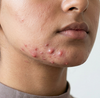


You've got a dedicated routine. A brightening serum at night. A gentle cleanser in the morning. Maybe even a Vitamin C drop here and there. Yet those stubborn dark marks from last month's breakout? They're still sitting there, barely budging.
Here's the honest truth most skincare content won't lead with — your actives are doing their job. But you might be undoing all of that work by skipping one single step every single morning.
Sunscreen.
Not the greasy, pore-clogging kind you dreaded in school. We're talking about the best sunscreen for face — one that's lightweight, non-comedogenic, and doing a whole lot more than just blocking UV rays.
The Real Reason Your Dark Spots Won't Fade
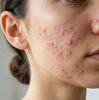
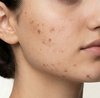
When a pimple heals, it doesn't always leave skin looking the way it did before. What it leaves behind is a flat, discoloured mark — medically called Post-Inflammatory Hyperpigmentation (PIH). This isn't a scar. There's no texture change, no indentation. It's purely a pigment issue, caused by your skin's own healing response producing too much melanin in one area.
Now here's where sunscreen enters the picture in a way most people simply don't know about.
Those areas of skin already affected by PIH are producing excess melanin. Even low levels of UV exposure provide additional stimulus to those already overactive melanocyte cells, which makes the marks appear darker and significantly extends the time it takes for them to fade naturally.
So while your niacinamide serum works overnight to interrupt melanin transfer, the morning sun is quietly sending it right back — deeper and darker than before. That's the cycle. And sunscreen is the only thing that breaks it.
What Actually Happens When You Skip SPF
Let's put it plainly. You can layer the most expensive brightening serum in the world on your face, but any treatment, no matter how powerful, will underperform if UV and visible light damage is happening every single day.
Even brief sun exposure without protection can set back your progress by months. Think about that. Months of consistent skincare effort, reversed by a few unprotected minutes outside.
And it gets more nuanced. In two separate studies, a 98% and 100% success rate in preventing post-inflammatory hyperpigmentation was observed after just two months of consistent sunscreen use. That's a staggering number — and it puts sunscreen above topical antibiotics, corticosteroids, and even systemic treatments in terms of PIH prevention outcomes.
Why Oily and Acne-Prone Skin Needs a Different Kind of Sunscreen
If you've ever tried a random sunscreen on oily or breakout-prone skin and ended up with a greasy, congested mess by noon — you're not alone. That experience is exactly why so many people with acne-prone skin quietly drop SPF from their routine.
But the problem was never sunscreen. It was the wrong sunscreen.
The best sunscreen for oily skin is formulated very differently from a standard beach SPF. Here's what separates a great formula from a problematic one:
|
Feature |
What to Look For |
What to Avoid |
|
Finish |
Matte or satin |
Dewy or occlusive |
|
Formula type |
Gel, fluid, or aqua-based |
Thick creams with heavy oils |
|
Labelling |
Non-comedogenic |
No comedogenicity testing |
|
SPF level |
SPF 50 / PA++++ |
Anything below SPF 30 |
|
Added actives |
Niacinamide, zinc oxide |
Fragrance, alcohol-heavy formulas |
|
Texture feel |
Weightless, fast-absorbing |
Heavy, greasy residue |
A non-greasy finish is especially important for oily and acne-prone skin. If a sunscreen makes the skin look very shiny or feels uncomfortable, people tend to apply far too little of it — or skip it entirely. This directly reduces the level of protection the skin actually receives.
The right texture keeps you consistent. Consistency is what actually fades marks.
The Ingredient That Makes Sunscreen Even More Powerful for Acne Marks
If you haven't looked into sunscreen with niacinamide, now is the time.
Niacinamide — also known as Vitamin B3 — is one of those rare skincare ingredients with research that actually holds up. When it comes to PIH and acne marks specifically, it works on two fronts.
First, it's anti-inflammatory. Niacinamide calms the inflammatory response in the skin, which reduces the frequency and severity of post-acne dark marks at their root. Less inflammation during a breakout means less melanin overproduction afterwards.
Second, it interferes with how pigment spreads. It inhibits the transfer of melanin from melanocytes into the surrounding skin cells, which contributes to a more even skin tone over time.
A recent clinical study found that a broad-spectrum sunscreen containing niacinamide significantly reduced both pigmentation and redness — showing improvements of up to 16 ΔITA° units and up to 87% reductions in erythema and colorimetric indices compared to unprotected skin.
In simple terms? A sunscreen with niacinamide isn't just protecting your existing marks from getting worse. It's actively helping fade them at the same time.
How to Use Sunscreen Correctly in an Acne-Mark Routine
Wearing sunscreen is one thing. Wearing it correctly is another. For people targeting acne marks, a few details really do matter.
Morning Routine Order:
- Gentle, pH-balanced cleanser
- Niacinamide serum or targeted treatment
- Lightweight, oil-free moisturiser (optional for oily skin)
- Broad-spectrum SPF 50 sunscreen — the last step, every single morning
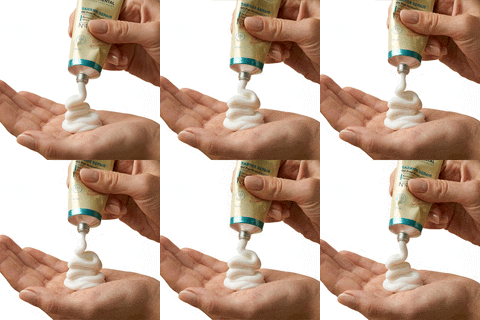
How much? The standard recommendation is about a quarter teaspoon for the face alone. Most people apply less than half of what's actually needed. Under-application means under-protection.
Reapplication? If you're outdoors for extended periods, reapply every two hours. A lightweight SPF mist or cushion compact makes midday top-ups easy without disrupting makeup.
At night? Proper removal matters. Incomplete removal of sunscreen — especially chemical sunscreen formulas — is a real and underappreciated cause of pore congestion for acne-prone skin types. Some people blame SPF for breakouts when the actual problem is at the end of the day, not the beginning. Use a micellar water or gentle cleansing oil first, followed by your regular face wash.
What to Look for in the Best Sunscreen for Face (With Acne Marks in Mind)
Not every SPF label tells you the full story. When you're specifically shopping for a sunscreen that supports acne mark fading, here are the non-negotiables:
Broad-spectrum protection — This means coverage against both UVA rays (which deepen pigment) and UVB rays (which burn and inflame). PA++++ is the highest PA rating and signals strong UVA defence.
SPF 50 minimum — SPF 30 filters about 97% of UVB. SPF 50 gets you to 98%. For skin actively working on hyperpigmentation, the difference genuinely matters over consistent daily use.
Non-comedogenic formula — Especially if you're acne-prone, this label tells you the formula has been tested to avoid clogging pores.
Skin-supportive actives — Ingredients like niacinamide, green tea extract, or zinc oxide can help calm inflammation and reduce redness, making them excellent additions for sensitive or breakout-prone skin types.
A finish you'll actually wear daily — The best sunscreen for your skin is the one you'll put on every morning without skipping. If you hate how it feels, you won't use it. Simple as that.
The Bottom Line
Acne marks don't stick around because your brightening routine isn't working hard enough. They stick around because every day of unprotected sun exposure is reversing that work before it can take hold.
Sunscreen isn't a bonus step. For anyone dealing with PIH, dark spots, or post-acne discolouration, it's the single most important thing in your morning routine — bar none. Add niacinamide to the formula and you've got something that both shields and actively treats at the same time.
If you've been spending on serums and skipping SPF, it's time to flip that logic. Protect the progress you're already making.
DR. Fundamental formulates for real skin — oily, sensitive, acne-prone, and everything in between. Because healthy skin isn't about covering up. It's about building it back.