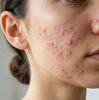
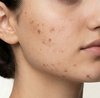
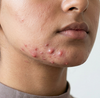


You wake up one morning, notice a pimple forming on your cheek, treat it carefully, and within a week — the pimple is gone. But a flat, stubborn dark patch shows up exactly in its place. Sound familiar?
If you have Indian skin, this is not bad luck. It is biology. And the frustrating truth is that the darker your natural skin tone, the faster and deeper those marks tend to set in. Understanding why this happens is the first step to stopping it — and choosing the right ingredients, like a niacinamide serum for acne, becomes a whole lot smarter when you actually know the science behind it.
The Science Behind It: What Happens Under Your Skin When a Pimple Forms
When a pimple appears, your skin doesn't just deal with bacteria and oil. It launches a full inflammatory response — redness, swelling, heat, and immune cell activity all localised in that one spot.
Post-inflammatory hyperpigmentation (PIH) is what happens after acne heals. The inflammation from a pimple triggers melanocytes to overproduce melanin at the wound site — leaving a dark mark long after the acne itself is gone.
Here's where Indian skin specifically comes into the picture.
Why Indian Skin Is Biologically Wired for Faster Pigmentation
Indian skin is usually between Fitzpatrick Type III to VI, which means it contains more melanin. That sounds good for sun protection, but it also means the skin easily develops dark spots, especially after pimples or minor cuts.
The problem is that this heightened melanocyte activity also means the skin reacts more intensely to triggers. When something signals the skin to produce melanin — heat, inflammation, hormones, or UV exposure — the response is faster and more concentrated than in lighter skin types. This is why Indian skin tends to develop visible dark spots from triggers that might barely leave a mark on fairer skin.
To put numbers to it: research from the Indian Journal of Dermatology shows that post-inflammatory hyperpigmentation affects nearly 65% of individuals with darker skin tones, compared to just 18% in lighter skin types.
In simpler terms — the same pimple that fades quietly on lighter skin leaves a weeks-long (sometimes months-long) shadow on Indian skin. You are not overreacting when you notice it. The biological response genuinely is more intense.
The Three Specific Reasons Pimples Leave Marks So Fast
1. Overactive Melanocytes
Indian skin typically falls into Fitzpatrick skin types III to V, which means we naturally have more active melanocytes (the cells that produce melanin) compared to lighter skin tones. Melanocytes receive signals to start producing melanin through a process called melanogenesis. In Indian skin, this process tends to be more efficient and longer-lasting, which explains why dark spots can persist for months or even years without proper treatment.
2. India's Climate Makes It Worse
The tropical and subtropical climate across India presents unique challenges. High humidity, intense UV radiation year-round, and pollution levels in urban areas all contribute to increased melanin production. So when your skin is already inflamed from a breakout, stepping outside into harsh UV light doubles down on the damage — darkening the mark even before the pimple has fully healed.
3. Picking and Squeezing Deepens the Damage
Picking at pimples dramatically worsens PIH — deeper inflammation means more melanin activation. Every time you squeeze, you push the inflammation further into the dermis, which tells your melanocytes to produce even more pigment. The resulting mark isn't just darker — it sits deeper in the skin and takes significantly longer to fade.
What Type of Dark Mark Are You Dealing With?
Not every post-pimple mark is the same, and treating the wrong type with the wrong approach wastes time. Here's a quick breakdown:
|
Type |
Appearance |
Depth |
Fade Time |
|
PIH (Post-Inflammatory Hyperpigmentation) |
Flat brown/dark patch |
Surface to mid-skin |
4–12 months |
|
Post-Acne Erythema |
Red/pink flat mark |
Surface |
2–6 months |
|
Acne Scar |
Indented or raised texture |
Deep dermis |
Long-term, needs clinical help |
|
Melasma |
Symmetrical patches, often on cheeks |
Deep |
Requires targeted treatment |
Post-acne hyperpigmentation in Indian skin can range from light brown to almost black, depending on the depth of inflammation and individual skin response. These marks typically fade over 6–12 months naturally, but targeted treatments can speed up the process significantly.
The good news is — PIH, which is the most common type after pimples — is very treatable at home with the right actives.
The Ingredient That Actually Works: Niacinamide
There's a reason niacinamide serum benefits for skin are everywhere in dermatology conversations right now. It is one of the few ingredients clinically validated to address PIH while your skin is still dealing with active breakouts — without making things worse.
How Niacinamide Serum for Acne Works on Dark Marks
The primary mechanism by which niacinamide reduces PIH is the inhibition of melanosome transfer. Melanosomes are the pigment-containing packages produced by melanocytes that get transferred to keratinocytes, where they create visible color at the skin's surface. Niacinamide interrupts this transfer step. The result is that, with consistent daily use, less pigment reaches the surface, and existing dark marks begin to fade as the skin naturally cycles through cell turnover.
But it goes further than just fading marks. Niacinamide also works at an earlier stage in the process — before PIH even fully forms. By calming the inflammatory response, niacinamide reduces the intensity and duration of the inflammation that triggers excess melanin production in the first place. Less inflammation means less melanin-stimulating signal, which means shallower, shorter-lasting marks.
This is the dual action that makes niacinamide serum for acne uniquely suited to Indian skin — it handles the current breakout and prevents the dark mark from forming in full force.
Niacinamide Serum Benefits for Skin — All in One Place
Beyond PIH, consistent use of a serum for pimples containing niacinamide offers:
- Pore minimisation — it regulates sebum at the glandular level, reducing enlarged pores and preventing clogged follicles that lead to more breakouts
- Barrier repair — it increases ceramide levels, making skin more resilient to pollution, UV, and humidity
- Oil control — critical for Indian skin in humid climates where excess sebum keeps pores blocked
- Texture improvement — skin feels smoother as dead pigmented cells shed faster
- Anti-inflammatory action — it calms the redness and irritation around active pimples
Niacinamide is one of the few actives that does several jobs at once: it supports the skin's natural microbiome, helps regulate sebum, reduces the look of pores, strengthens the skin barrier, and fades uneven tone and post-acne marks over time.
What About Serum for Blackheads?
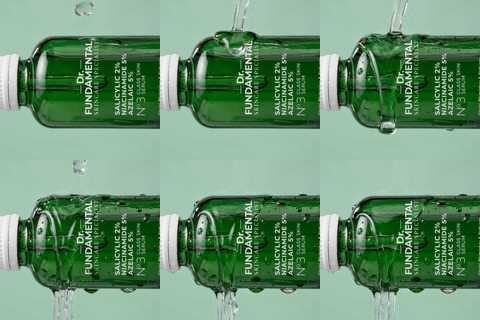
Blackheads are another common complaint on Indian skin — especially with high humidity keeping pores perpetually oily and clogged. A good serum for blackheads should contain ingredients that exfoliate inside the pore (salicylic acid) combined with niacinamide to reduce sebum overproduction that feeds blackhead formation.
Using a niacinamide serum for acne alongside a salicylic acid treatment is one of the most dermatologist-recommended approaches for Indian skin — salicylic acid clears the congestion; niacinamide prevents the dark marks that show up after.
How to Use It Correctly (Most People Skip This)
Getting results from a serum for pimples isn't just about applying it — it's about applying it right.
Morning Routine:
- Gentle face wash
- Niacinamide serum — 2–3 drops, pressed into skin, absorbed for 60 seconds
- Lightweight moisturiser
- SPF 30 or higher (non-negotiable — UV exposure worsens all PIH)
Evening Routine:
- Double cleanse if you've worn sunscreen
- Niacinamide serum for acne
- Moisturiser
Realistic Timeline to Set Expectations
PIH is not an overnight fix. Weeks 1–2: Reduced redness; active spots may show faster resolution. Weeks 4–6: Visible lightening of darker marks as old pigmented cells shed. Weeks 8–12: Significant fading of most PIH; very deep marks may take longer.
The Habits That Are Making Your Dark Marks Worse
Even the best niacinamide serum benefits for skin cannot fully work if you're undoing progress daily:
- Skipping sunscreen — UV exposure is the single biggest reason PIH darkens and refuses to fade, even while you're treating it
- Touching your face — transfers bacteria and creates micro-inflammation
- Popping pimples — this one is so common and so damaging; every squeeze pushes you 4 weeks back in your PIH timeline
- Using harsh scrubs — physical scrubbing on active pimples or fresh marks creates more inflammation and more melanin
- Using multiple actives without a plan — layering acids and retinoids without building up slowly irritates skin and worsens pigmentation
DR. Fundamental's Approach to Pimple Marks
At DR. Fundamental, formulations are built with Indian skin biology in mind — not Western skin norms. The distinction matters. Most global skincare was developed for Fitzpatrick I–III skin, which responds differently to inflammation, pigmentation triggers, and active ingredients.
A targeted serum for pimples for Indian skin needs to do three things simultaneously: calm active inflammation, inhibit melanin overproduction, and support the skin barrier so healing happens faster. That's not a one-ingredient job — but niacinamide covers more of those bases than almost anything else available without a prescription.
Final Thought
Your skin isn't "bad" or "difficult." It's deeply pigmented, which is beautiful — and yes, it means it reacts to inflammation more visibly than lighter skin tones. That reaction is your melanin doing its protective job. The solution isn't to fight your skin's nature but to work with it intelligently: address inflammation early, protect against UV religiously, and use a well-formulated niacinamide serum for acne consistently over weeks, not days.
Dark marks don't have to be permanent. They just need the right approach — and now you know exactly what that is.