





If you have oily skin, you've probably been told countless times to "wash your face more often." Unfortunately, that advice isn't always helpful.
Many people with oily, acne-prone skin fall into a frustrating cycle. Their skin feels greasy, so they reach for a stronger cleanser. The cleanser strips away oil, the skin becomes tight and uncomfortable, and within a few hours, the face looks even shinier than before.
Sound familiar?
The truth is that managing oily skin isn't about removing every drop of oil. It's about maintaining balance.
Choosing the right acne face wash can help reduce excess sebum, minimize clogged pores, and support a healthier skin barrier—all without making your skin feel dry or irritated.
If your skin becomes oily just a few hours after washing, your cleanser could be doing more harm than good.
In this guide, we'll break down what causes acne in oily skin, how cleansing affects breakouts, the ingredients dermatologists often recommend, and how to choose the best cleanser for oily skin based on your individual needs.
Why Oily Skin Needs the Right Cleanser
Oily skin naturally produces more sebum than other skin types.
While sebum helps protect the skin, excessive production can create the perfect environment for:
- Clogged pores
- Blackheads
- Whiteheads
- Acne breakouts
- Enlarged-looking pores
- Persistent shine
The challenge isn't oil itself—it's what happens when oil combines with dead skin cells, sweat, sunscreen, makeup, and environmental pollutants.
A well-formulated gel cleanser for oily skin helps remove this buildup before it turns into breakouts.
Healthy skin isn't oil-free skin. It's balanced skin.
What Causes Acne in Oily Skin?
Acne is much more complex than simply having oily skin.
Several factors work together behind the scenes.
Excess Sebum Production
When sebaceous glands become overactive, they produce more oil than the skin actually needs.
Dead Skin Cell Buildup
Skin naturally sheds cells throughout the day. When these cells aren't removed efficiently, they can block pores.
Clogged Hair Follicles
Oil and dead skin cells mix together inside pores, creating congestion that often develops into acne.
Acne-Causing Bacteria
Certain bacteria thrive in clogged follicles and can trigger inflammation.
Hormonal Fluctuations
Hormonal changes during puberty, stress, menstruation, or adulthood can increase oil production and contribute to breakouts.
Acne isn't caused by dirty skin. It's the result of multiple biological processes happening beneath the surface.
How an Acne Face Wash Supports Clearer Skin
A quality face wash for acne-prone skin works by targeting several acne triggers at once.
It helps:
✔ Remove excess oil
✔ Wash away pollution and impurities
✔ Reduce pore congestion
✔ Support healthy skin turnover
✔ Create a cleaner environment for acne treatments to work effectively
However, cleansing should never leave your skin feeling squeaky clean or tight.
That sensation often indicates that your skin barrier has been compromised.
Why a Gel Cleanser Is Often the Best Choice for Oily Skin
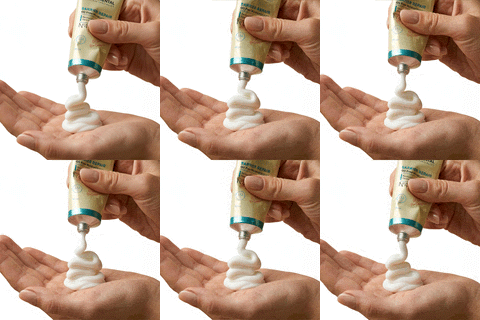
Many dermatologists recommend a gel cleanser for oily skin because it delivers effective cleansing without feeling heavy.
Unlike rich cream cleansers, gel-based formulas are designed to remove excess oil while maintaining a lightweight feel.
Benefits of Gel Cleansers
- Lightweight texture
- Easy rinsing
- Effective oil removal
- Comfortable for humid climates
- Suitable for acne-prone skin
The best gel cleansers leave your skin refreshed—not stripped.
Why Mild Cleansers Usually Outperform Harsh Face Washes
One of the biggest skincare myths is that stronger products produce better results.
In reality, many people worsen their acne by using aggressive cleansers.
A mild cleanser for oily skin helps preserve the skin's natural protective barrier while still removing excess oil and impurities.
When the skin barrier remains healthy, it can:
- Retain moisture more effectively
- Recover from irritation faster
- Tolerate acne treatments better
- Maintain balanced oil production
Signs Your Cleanser Is Too Harsh
- Tightness after washing
- Flaking
- Burning sensation
- Increased redness
- More oil production throughout the day
Your cleanser should solve skin problems—not create new ones.
Ingredients Dermatologists Often Recommend for Oily and Acne-Prone Skin
When evaluating an acne face wash, ingredients matter far more than marketing claims.
Salicylic Acid
One of the most trusted ingredients for acne-prone skin.
Benefits:
- Helps unclog pores
- Removes excess oil
- Supports blackhead reduction
- Promotes smoother skin texture
Niacinamide
A multi-tasking ingredient that has become a favorite among dermatologists.
Benefits:
- Helps regulate sebum production
- Supports skin barrier health
- Improves skin appearance
- Reduces visible redness
Zinc PCA
Particularly useful for oily skin types.
Benefits:
- Helps manage excess sebum
- Supports balanced skin
- Complements acne-care routines
Green Tea Extract
Known for its antioxidant-rich profile.
Benefits:
- Helps calm stressed skin
- Supports skin recovery
- Protects against environmental stressors
Tea Tree
Frequently included in acne-focused skincare products.
Benefits:
- Purifying properties
- Refreshing effect
- Supports clearer-looking skin
Aloe Vera
Provides hydration and comfort.
Benefits:
- Soothes irritation
- Supports hydration
- Improves skin comfort
Ceramides
Essential for maintaining a healthy skin barrier.
Benefits:
- Strengthen barrier function
- Reduce moisture loss
- Improve resilience
Panthenol
A skin-conditioning ingredient often overlooked.
Benefits:
- Helps maintain hydration
- Supports recovery
- Enhances comfort
Ingredients Worth Avoiding
Not every acne cleanser is suitable for daily use.
People with oily skin should be cautious with products containing:
- High amounts of denatured alcohol
- Strong artificial fragrances
- Harsh sulfates
- Abrasive scrubs
- Extremely alkaline formulas
These ingredients can increase irritation and damage the skin barrier over time.
Morning vs Night Cleansing Routine
Many people focus on what cleanser they use but overlook when and how they use it.
Morning Routine
- Gentle acne cleanser
- Lightweight moisturizer
- Broad-spectrum sunscreen
Evening Routine
- Remove sunscreen and makeup
- Cleanse thoroughly
- Apply treatment products
- Follow with moisturizer
Night-time cleansing is often the most important step for preventing pore congestion.
Real-Life Example: Small Changes, Better Results
A 26-year-old marketing professional struggled with:
- Constant shine
- Forehead breakouts
- Enlarged pores
- Tightness after cleansing
Initially, they used a strong foaming cleanser three times daily.
After switching to a mild cleanser for oily skin containing salicylic acid and niacinamide, noticeable improvements appeared within a few weeks.
Timeline
Week 2:
- Less dryness
- Reduced tightness
Week 4:
- Better oil control
- Fewer new blemishes
Week 8:
- Clearer-looking skin
- Smoother texture
- More balanced complexion
The biggest lesson?
Consistency beats intensity when it comes to acne care.
Case Study: Repairing the Skin Barrier While Managing Acne
Initial Concerns
- Oily skin
- Frequent breakouts
- Redness
- Over-exfoliation
Updated Routine
Morning:
- Gentle cleanser
- Moisturizer
- Sunscreen
Evening:
- Gel cleanser
- Targeted acne treatment
- Barrier-support moisturizer
Results After Eight Weeks
- Reduced irritation
- Improved hydration
- Better tolerance to acne treatments
- Fewer inflammatory breakouts
Key Takeaway
Many people focus only on treating acne and forget about protecting the skin barrier.
Long-term results often require both.
Common Mistakes People Make When Washing Acne-Prone Skin
Washing Too Often
More cleansing does not equal clearer skin.
Using Hot Water
Hot water can worsen irritation and dehydration.
Skipping Moisturizer
Oily skin still needs hydration.
Over-Exfoliating
Too much exfoliation can weaken the skin barrier.
Chasing Instant Results
Acne improvement usually takes several weeks of consistent care.
Dermatologist Insights
Most dermatologists agree on a few important principles:
- Cleanse twice daily
- Use non-comedogenic products
- Avoid over-cleansing
- Prioritize barrier health
- Introduce active ingredients gradually
A healthy skin barrier is one of the strongest defenses against recurring acne.
How to Choose the Best Cleanser for Oily Skin
When shopping for a cleanser, look beyond marketing promises.
The best options are typically:
✔ Non-comedogenic
✔ pH-balanced
✔ Suitable for daily use
✔ Designed for acne-prone skin
✔ Free from unnecessary irritants
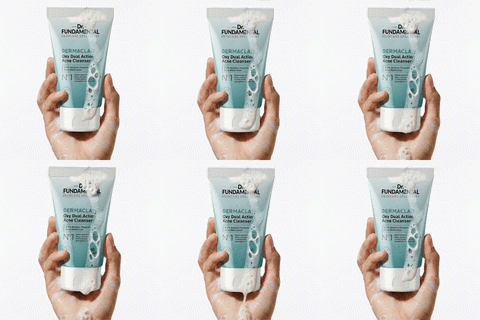
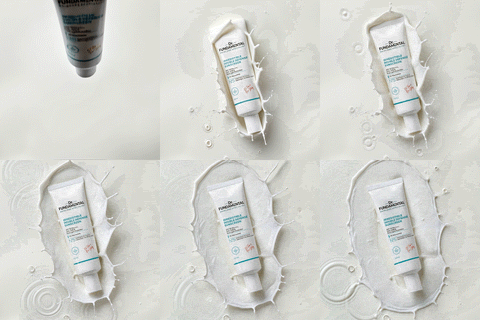
If you're searching for a science-backed solution, DR Fundamental focuses on formulations that support both acne management and long-term skin health.
Who Should Use an Acne Face Wash?
An acne face wash may be beneficial for:
- Teenagers experiencing oily skin
- Adults with hormonal breakouts
- People prone to blackheads
- Individuals dealing with excess sebum
- Anyone building an acne-prevention skincare routine
Frequently Asked Questions
1. What is the best acne face wash for oily skin?
Look for ingredients such as salicylic acid, niacinamide, and zinc PCA in a gentle, non-comedogenic formulation.
2. Can oily skin use a mild cleanser?
Yes. Mild cleansers help maintain barrier health while removing excess oil.
3. Is a gel cleanser better for oily skin?
Many people with oily skin prefer gel cleansers because they feel lightweight and rinse clean.
4. How often should I wash acne-prone skin?
Generally twice daily is sufficient.
5. Can over-washing cause more acne?
It may contribute to irritation and increased oil production.
6. Is salicylic acid good for oily skin?
Yes. It helps clear pores and manage excess oil.
Final Verdict
Finding the right cleanser for oily skin isn't about choosing the strongest formula on the shelf.
It's about selecting a product that effectively removes excess oil while respecting your skin barrier.
Ingredients such as Salicylic Acid, Niacinamide, Zinc PCA, Ceramides, and Panthenol can help support clearer, healthier-looking skin when used consistently as part of a well-rounded routine.
The best acne face wash is the one your skin can comfortably use every day without irritation.
For people navigating oily, acne-prone skin, a gentle, balanced, and science-backed approach will almost always outperform aggressive skincare habits in the long run.