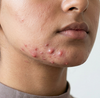
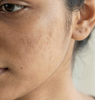


So your pimple finally dried up and disappeared. You took a deep breath, thought okay, we're done here — and then looked in the mirror. Still there. A stubborn, flat, dark spot sitting right where your breakout used to be, looking absolutely unbothered while you are very much bothered.
Yep. Welcome to the club nobody asked to join. Acne marks are, honestly, the most emotionally exhausting part of the whole acne journey. The pimple itself lasts a week. The mark it leaves behind? Months. Sometimes longer. And unless you're using the right ingredients — like tranexamic acid — that timeline doesn't get any shorter.
But here's the thing: your skin isn't broken. It's just going through a process — a specific, three-stage recovery process that your acne marks go through before they finally fade. Once you understand what's actually happening under your skin, you stop throwing random products at your face and start doing things that actually work.
Let's talk about it properly.
First, Let's Understand What an Acne Mark Actually Is
Before we get into the stages, let's get something straight — an acne mark is not a scar. A scar changes the texture of your skin. An acne mark is flat and smooth, just darker than the rest of your face. The medical term is post-inflammatory hyperpigmentation, or PIH.
Here's what happens: when your skin experiences inflammation (hello, pimple), it triggers your melanocytes — the cells responsible for pigment production — into overdrive. They release excess melanin to "protect" the area, and that extra melanin leaves behind a dark or reddish patch even after the pimple is long gone.
For Indian skin especially, this is incredibly common. Our skin has higher melanin activity to begin with, which means our melanocytes react more intensely to inflammation, and the marks that follow tend to be darker and take longer to fade without targeted care. The good news? With the right approach, these marks absolutely respond to treatment.
Stage 1 — The Inflammation Phase (Week 0–2)
This is where it all begins, and also where most people accidentally make things worse.
Right after a breakout starts healing, the skin is still inflamed beneath the surface. The pimple may have dried up on the outside, but underneath, your skin's immune response is still in full swing. Melanocytes are still firing, still producing excess pigment. This is the phase where your mark can still darken — especially if you step out in the sun without protection, or if you're picking at the area (we've all done it, no judgment, but please stop).
This stage is critical because what you don't do matters as much as what you do. The goal here is simple — calm the inflammation down before it signals your skin to dump more melanin into that area.
Here's what actually helps during Stage 1:
- Stop touching it. Seriously. Mechanical pressure on an inflamed spot can deepen pigmentation and, in some cases, turn a flat mark into a textured scar.
- Use SPF religiously. UV exposure directly stimulates melanin production. Without sun protection, you're essentially extending Stage 1 indefinitely.
- Introduce a calming active. This is where niacinamide serum becomes your best friend. At a 10% concentration, niacinamide works to calm redness, reduce inflammation, and regulate the oil production that can trigger new breakouts in the same area. It doesn't aggressively strip the skin — it quiets it down.
Think of this stage as laying the groundwork. You're not fading anything yet. You're just stopping the situation from getting worse.
Stage 2 — The Cellular Repair Phase (Week 2–6)
This is where the actual healing begins, and also where most people lose patience and give up. Don't.
By around week two, the inflammation has mostly died down. Your skin is now beginning its natural renewal process — old, pigmented skin cells are slowly making their way to the surface to be shed, while new cells form underneath. The problem is, this process is slow. On average, skin cell turnover happens every 28–40 days. So if you're looking for results in a week, this phase is going to frustrate you.
But here's where tranexamic acid steps in and genuinely changes the game.
Tranexamic acid works differently from most brightening ingredients. It doesn't just bleach the surface — it goes deeper and interrupts the signal chain that causes excess melanin to be produced in the first place. It targets the pathway between inflammation and pigmentation, essentially telling your melanocytes to calm down and stop overproducing colour in the affected area. Clinical research has shown that tranexamic acid-based serums can reduce post-acne marks significantly when used consistently over 8–12 weeks — with measurable improvement beginning as early as week 4.
What makes this stage effective is pairing tranexamic acid with niacinamide. While tranexamic acid goes after the pigment at the source, niacinamide handles the surface — it reduces the transfer of melanin to the skin's upper layers, visibly evening out skin tone and minimising the appearance of the mark as new skin comes in. Together, they're doing two different jobs that lead to the same result: clearer, more even skin.
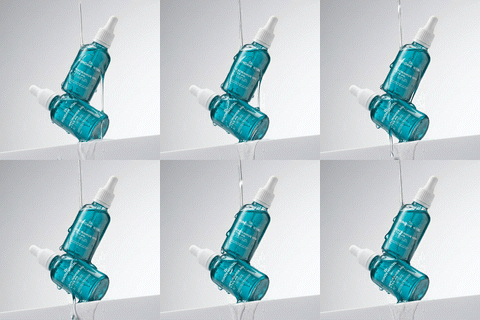
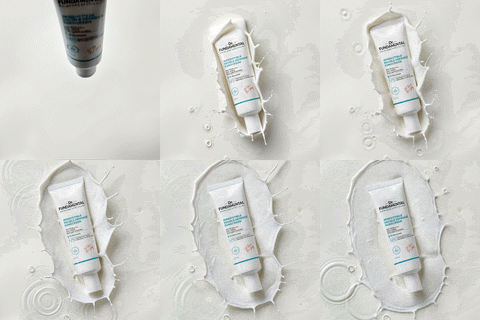
The Dr. Fundamental Clarifying Face Serum uses exactly this combination — 4% Tranexamic Acid and 10% Niacinamide — in a lightweight, water-based formula designed to be used twice daily. It's formulated specifically for acne-prone and Indian skin, which tends to need a higher concentration of active ingredients to see results without the irritation that comes with aggressive peels or acids. It's also non-comedogenic and fragrance-free, which means you're not accidentally clogging pores or irritating an already-recovering skin barrier while trying to fix marks.
Stage 2 is all about building consistency. Skipping days here noticeably slows things down — showing up twice daily, every day, is the most important thing you can do in this window.
Stage 3 — The Clarifying Phase (Week 6–12 and Beyond)
By now, if you've been consistent, you should be seeing some real, visible change. The mark that was a 7/10 in intensity a month ago should be looking more like a 3/10. Individual spots that seemed permanent are fading. Your overall skin tone is looking more even, less patchy.
This is the stage where people often make a second mistake — they see improvement and stop. Please don't. The serum for acne marks is still working on the deeper pigment that hasn't surfaced yet. Stopping now is like leaving the washing machine mid-cycle.
The clarifying phase is also when you can start seeing the additional benefits of the formula beyond just mark-fading:
- Pores look visibly smaller thanks to continued niacinamide action on sebum regulation
- Skin texture becomes more refined as cell turnover improves
- Redness reduces, giving the face a calmer, more uniform look
- New breakouts become less frequent as the formula works to control oil and blemish-causing bacteria
This is also the phase where sunscreen becomes your most important supporting product. And before you say "but it's cloudy" — UV rays pass through clouds, through windows, through car glass. In India, where UV index runs high for most of the year, skipping SPF while using an active-ingredient blemish serum is essentially undoing your own progress. Pair the serum with an SPF 30+ every single morning.
Why This 3-Stage Process Matters for Indian Skin Specifically
Here's something nobody really talks about openly — PIH and post-acne marks are disproportionately more intense in Indian and South Asian skin. It's not because Indian skin is "more problematic" — it's simply that higher baseline melanin means more melanocytes, which means a stronger pigmentation response to any inflammation.
This is exactly why the combination of tranexamic acid and niacinamide is particularly well-suited for us. Harsher brightening agents like hydroquinone or high-concentration retinoids can actually trigger more pigmentation in melanin-rich skin by causing irritation — which, ironically, sends the exact inflammatory signal that created the mark in the first place. The gentler, targeted mechanism of tranexamic acid makes it a smarter choice for deeper skin tones, with a safety profile that makes it suitable for everyday, twice-daily use.
How to Build Your Mark-Fading Routine Around This Process
You don't need a 12-step routine. Here's a simple, effective approach organised around the three stages:
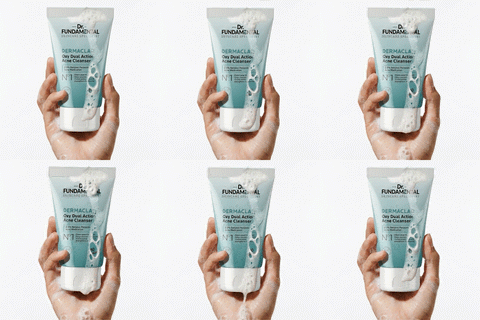
- Cleanser: Start with a gentle, non-stripping face wash. For acne-prone skin, something with benzoyl peroxide or mild salicylic acid works well to keep breakouts from forming in the first place.
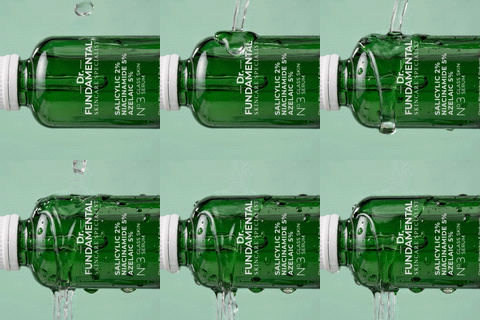
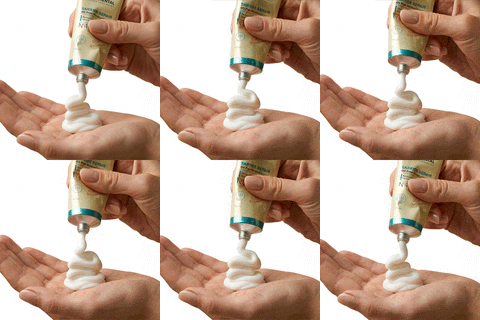
- Serum: Apply the N0.3 Clarifying Face Serum — 2–3 drops patted gently into the skin on clean, dry face. Morning and night.
- Moisturiser: Follow immediately with a lightweight, barrier-supporting moisturiser. The serum does the active work, the moisturiser locks it in and keeps your barrier healthy so the actives can penetrate properly.
- SPF (AM only): This is not optional. Use SPF 30 or higher every single morning. Every. Single. Morning.
If you're in the early stages of recovery (Stage 1 or 2), start with once daily in the PM and work up to twice daily as your skin builds tolerance. The niacinamide serum concentration in this formula is at 10%, which is on the higher end — effective, but worth introducing gradually if you have sensitive or reactive skin.
The Ingredient Breakdown You Should Know
The Clarifying Face Serum contains a few other supporting ingredients worth knowing about:
Azelaic Acid — A gentle multitasker that targets both active acne and post-acne discolouration, while being well-tolerated even on sensitive skin. It works alongside tranexamic acid to reduce melanin production through a slightly different pathway.
Encapsulated Salicylic Acid — Keeps pores clear and prevents the new breakouts that would otherwise start this whole 3-stage process over again. The encapsulated form means it releases gradually, making it less irritating than traditional salicylic acid.
Hyaluronic Acid — Balances out the active ingredients by pulling moisture into the skin and keeping it hydrated, which is important because dehydrated skin heals slower and shows marks more prominently.
The formula is also free from fragrance, making it a genuinely sensitive skin-friendly option — not just in name, but in formulation.
One Last Thing, Sister to Sister
The most common reason acne marks don't fade is not the wrong product. It's inconsistency and impatience. Skin doesn't work on our schedule, and the 3-stage process is biological — it cannot be rushed. What you can do is support it at every stage with the right ingredients, stop doing the things that slow it down (picking, skipping SPF, switching products every two weeks), and let time do the rest of the work.
The Dr. Fundamental Clarifying Face Serum with 4% Tranexamic Acid and 10% Niacinamide was built exactly for this process. It's not trying to do 15 things at once. It's doing two things very well — fading the marks that are there, and stopping more from forming.
That's the deal. Stay consistent, protect with SPF, and give your skin the time it actually needs.