




Let’s be honest—most people don’t skip sunscreen because they don’t care about their skin. They skip it because many sunscreens feel heavy, greasy, sticky, or like you’ve applied a second layer of regret
If you have oily, combination, or acne-prone skin, finding the right sunscreen can feel harder than it should be. You want protection, but you also want something comfortable enough to wear every day.
That’s exactly why fluid sunscreen formulas have become so popular. They offer strong sun protection in a lightweight texture that feels easy on the skin, making daily use much more realistic.
If sunscreen has ever felt like a chore, a fluid formula may completely change your mind.
What Is a Fluid Sunscreen?
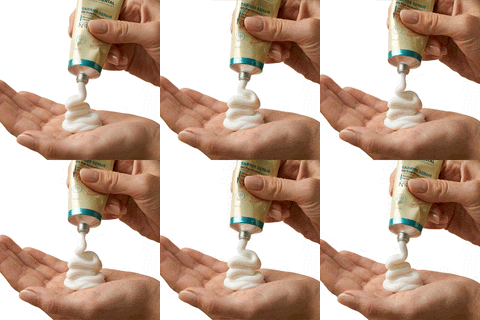
A fluid sunscreen is a lightweight, runny, fast-spreading sunscreen designed to feel lighter than traditional creams.
Instead of sitting heavily on the skin, it blends quickly and gives a more comfortable finish. Many people prefer fluid textures because they feel less greasy, absorb faster, and layer better under makeup or daily skincare.
Think of it as sun protection without the “sunscreen feel.”
Why Lightweight Sunscreen Matters More Than You Think
The best sunscreen is the one you’ll actually use every day.
That’s where a light sunscreen formula wins. If a product feels breathable and comfortable, you’re more likely to apply enough and reapply when needed.
A lightweight sunscreen can help with:
- Daily wear comfort
- Easier reapplication
- Better layering with skincare or makeup
- Less greasy appearance throughout the day
In short: comfort improves consistency, and consistency improves protection.
Why Fluid Sunscreen Is Great for Oily Skin
If your skin gets shiny by noon, you already know how frustrating heavy products can be.
Many people searching for the best sunscreen for oily skin need something that protects without adding extra shine. A fluid texture helps because it feels lighter and spreads evenly without feeling suffocating.
It can be especially useful for:
- Oily T-zone areas
- Humid weather
- Combination skin
- People who dislike thick creams
That’s why fluid formulas are often preferred as an oil control sunscreen option when paired with the right finish.
Can Sunscreen Also Support Skin Care?
Yes—modern sunscreens often do more than just UV protection.
For example, a sunscreen with niacinamide can help support oily or breakout-prone skin while protecting it from sun damage.
Niacinamide is known for helping with:
- Oil balance
- Skin barrier support
- Redness reduction
- Overall smoother-looking skin
So instead of sunscreen being a separate boring step, it can become a useful skincare step too.
Why Non-Comedogenic Sunscreen Matters for Acne-Prone Skin
If you’ve ever felt like sunscreen causes breakouts, texture and formulation may be the real issue.
A non comedogenic sunscreen is designed to avoid clogging pores, which is especially important for acne-prone skin.
This can help reduce the chances of:
- Congested pores
- Whiteheads
- Product heaviness
- Breakout-triggering buildup
For acne-prone users, this feature matters just as much as SPF.
How to Apply Fluid Sunscreen Correctly
Even the best sunscreen won’t help much if too little is applied.
Use this simple routine:
- Finish your moisturizer first
- Shake the bottle if needed
- Apply enough sunscreen to cover face and neck
- Blend evenly
- Let it settle before makeup
- Reapply during long sun exposure
A fluid texture usually makes this easier because it spreads quickly and comfortably.
Why Daily Use Is More Important Than Occasional Use
Some people only use sunscreen at the beach or on very sunny days.
But UV exposure happens during:
- Daily commuting
- Driving
- Window exposure indoors
- Walking outside briefly
- Regular daylight hours
That’s why choosing a light sunscreen you enjoy wearing is often smarter than owning a thick sunscreen you rarely touch.
Choosing the Right Fluid Sunscreen for Your Skin
Before buying, look for something that offers:
- Broad-spectrum protection
- High SPF for daily defense
- Comfortable texture
- Suitability for oily or acne-prone skin
- Added skincare support like niacinamide
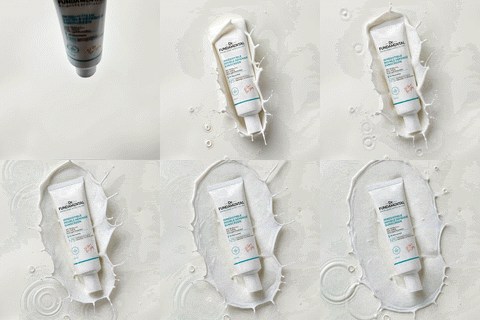
If you want sun protection that actually feels wearable every day, Dr. Fundamental Irresistible Double Defence Sunscreen SPF 50 PA++++ offers lightweight fluid protection with a natural finish and niacinamide support—making it ideal for oily, combination, and acne-prone skin that wants protection without heaviness.
Common Sunscreen Mistakes to Avoid
Sometimes sunscreen fails because of habits, not the formula.
Avoid these common mistakes:
- Applying too little product
- Using it only occasionally
- Skipping neck and ears
- Not reapplying during outdoor exposure
- Choosing texture over protection alone
The sweet spot is protection and comfort.
Final Thoughts
If traditional sunscreens feel greasy, sticky, or too heavy, switching to a fluid sunscreen can make daily sun protection much easier.
For oily, combination, and acne-prone skin, lightweight textures often feel more comfortable, look better on skin, and encourage regular use.
And honestly, the sunscreen you enjoy using is usually the sunscreen that works best for you.