





If you have oily or acne-prone skin, you already know the daily struggle—excess shine, clogged pores, and those unexpected breakouts that show up right before something important.
You’ve probably tried multiple products, but the real game-changer for many people has been niacinamide serum. It’s one of those ingredients that doesn’t just target one issue—it works on oil control, acne, and overall skin balance at the same time.
And the best part? It does all this without being harsh on your skin.
What Is Niacinamide & Why Is It So Popular?
Niacinamide for skin (also known as Vitamin B3) is a multi-tasking ingredient that helps regulate oil production, strengthen the skin barrier, and reduce inflammation.
Unlike aggressive acne treatments, niacinamide works in a more balanced way. It doesn’t strip your skin—it helps it function better.
That’s why a well-formulated niacinamide serum for oily skin is often recommended as a daily essential rather than a temporary fix.
How Niacinamide Serum Controls Oil
Let’s get straight to the point—why is it so effective for oily skin?
When your skin produces too much oil (sebum), it leads to:
- Clogged pores
- Blackheads and whiteheads
- Frequent acne
A niacinamide serum helps regulate this oil production instead of completely removing it.
Think of it like this:
It teaches your skin to stay balanced, rather than forcing it to dry out.
With consistent use, you’ll notice:
- Less greasy shine during the day
- More controlled T-zone
- Fewer clogged pores
How It Helps with Breakouts
Oil control is just one part of the story.
Another reason niacinamide serum benefits acne-prone skin is because it:
- Reduces inflammation
- Calms redness
- Supports faster skin recovery
So instead of just drying out pimples, it helps your skin heal properly.
This makes it ideal for:
- Active acne
- Post-acne redness
- Sensitive breakout-prone skin
Read this too: Niacinamide Face Serum for Skin: Benefits, Uses & Side Effects
Why Niacinamide Works Even Better with the Right Combination
Here’s something most people don’t realize—niacinamide becomes even more effective when paired with the right ingredients.
For example:
- Salicylic Acid (2%) helps unclog pores and target acne directly
- Azelaic Acid (5%) helps with acne marks, redness, and uneven tone
Together, this combination works on:
- Oil control
- Active acne
- Acne marks
- Skin clarity
So instead of using multiple products, a well-formulated serum can simplify your routine while giving better results.
How to Use Niacinamide Serum (Without Overdoing It)
You don’t need a complicated routine to make it work.
Here’s a simple approach:
- Start with a gentle cleanser
- Apply 2–3 drops of niacinamide serum for acne
- Gently pat into your skin
- Follow with a moisturizer
- Use sunscreen in the morning
You can use it once or twice daily depending on your routine.
Consistency matters more than layering too many products.
When Will You See Results?
Let’s keep expectations realistic (no overnight miracles here):
- 1–2 weeks → oil feels more controlled
- 2–4 weeks → fewer breakouts
- 4–6 weeks → clearer, more balanced skin
The key is patience + consistency.
Is Niacinamide Safe for Daily Use?
Yes—and that’s one of its biggest advantages. A niacinamide serum for oily skin is generally:
- Gentle
- Non-irritating
- Suitable for daily use
However, avoid using too many actives together and over-applying product. Keep your routine simple, and your skin will respond better.
How to Choose the Right Niacinamide Serum
Before picking any product, ask yourself:
- Does it suit oily or acne-prone skin?
- Is the concentration balanced (not too high)?
- Does it support multiple concerns (oil + acne + marks)?
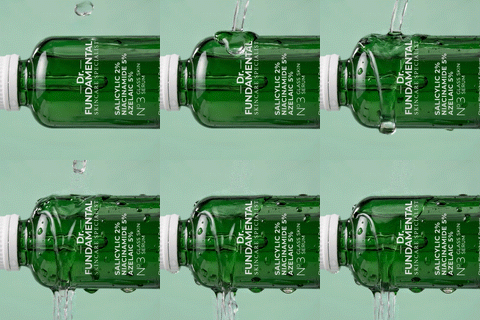
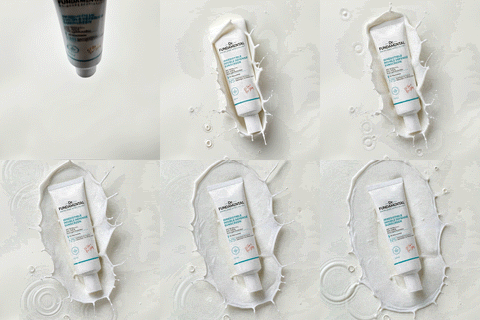
👉 If you’re looking for a solution that goes beyond basic oil control, Dr. Fundamental Glass Skin Serum combines 5% niacinamide, 2% salicylic acid, and 5% azelaic acid to target oil, breakouts, and acne marks together—making it a powerful yet practical addition to your daily routine.
Common Mistakes to Avoid
Let’s keep this real—most skincare mistakes are simple:
- Using too many products at once
- Expecting instant results
- Skipping moisturizer because skin is oily
- Changing products too frequently
Sometimes, doing less actually gives better results.
Final Thoughts
If you’re dealing with oily, combination, or acne-prone skin, adding a niacinamide serum to your routine can make a noticeable difference. It’s not about aggressive treatment—it’s about balance. And once your skin starts balancing oil and healing better, everything else becomes easier to manage.