





If you’ve been dealing with acne for a while, you already know the struggle—trying product after product and still not seeing consistent results. The truth is, many products labeled as an acne face wash only clean the surface and don’t actually target what’s causing the breakouts.
For oily and acne-prone skin, your cleanser isn’t just a basic step—it’s the foundation of your entire routine. That’s where a benzoyl peroxide face wash stands out. Instead of just removing dirt and oil, it actively works on acne at a deeper level.
And once you start using the right cleanser for oily skin, you’ll notice that everything else in your routine starts working better too.
What Is Benzoyl Peroxide & How Does It Work?
Benzoyl peroxide is a well-known acne-fighting ingredient used in dermatology for years. It works by reducing acne-causing bacteria, clearing clogged pores, and calming inflammation.
What makes it different from a regular gentle cleanser for oily skin is that it doesn’t just cleanse—it treats.
Instead of giving you a temporary “clean” feeling, it helps improve your skin over time. That’s why it’s commonly recommended for people dealing with recurring breakouts, excess oil, or stubborn acne.
You may also like this- Niacinamide Face Serum for Skin: Benefits, Uses & Side Effects
Why Your Cleanser Matters More Than You Think
Most people focus heavily on serums and treatments, but overlook their cleanser. The reality is simple—if your cleansing step isn’t effective, your skin keeps dealing with the same issues.
A good cleanser for oily skin should:
- Remove excess oil without stripping your skin
- Help keep pores clear
- Support acne control without irritation
At the same time, it should still feel like a mild cleanser for oily skin, not something that leaves your face tight or uncomfortable.
Key Benefits of Using a Benzoyl Peroxide Face Wash
A well-formulated benzoyl peroxide cleanser can bring noticeable improvements when used consistently. Here’s what it actually helps with:
- Reduces active acne by targeting bacteria at the root
- Controls excess oil, which is a major trigger for breakouts
- Prevents clogged pores, reducing blackheads and whiteheads
- Soothes inflammation, making acne appear less red and irritated
What makes it even more effective is when it comes in a gel based cleanser format, which is better suited for oily skin types.
Why a Gel Based Cleanser Works Best for Oily Skin
Let’s talk about something most people ignore—texture.
If you’re using a heavy or creamy cleanser on oily skin, it can feel like your pores are getting clogged again right after washing your face.
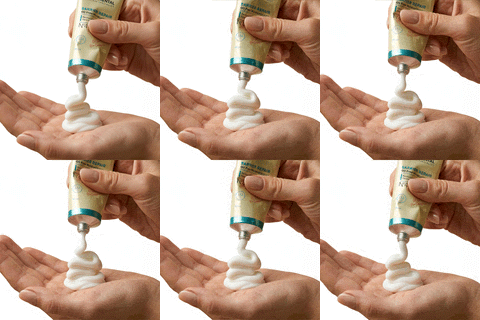
A gel based cleanser or gel cleanser for oily skin works differently:
- It feels lightweight and fresh
- Doesn’t leave residue on the skin
- Helps remove oil more effectively
This is especially useful in humid weather or if your skin tends to get greasy throughout the day.
How to Use Benzoyl Peroxide Face Wash Properly
Using it the right way makes all the difference. Overusing it won’t give faster results—it might just irritate your skin.
Follow this simple routine:
- Start with lukewarm water to wet your face
- Take a small amount of the cleanser
- Massage gently for about 20–30 seconds
- Rinse thoroughly and pat dry
- Apply a moisturizer immediately after
- Use sunscreen if it’s your morning routine
Start with once a day, and if your skin feels comfortable, you can adjust frequency gradually.
When Can You Expect Results?
This is where patience comes in.
You might start noticing small changes within the first week—like reduced oiliness or a fresher feel. But visible acne improvement usually takes a bit longer.
- 1–2 weeks → oil control improves
- 2–3 weeks → fewer breakouts
- 4+ weeks → clearer and more balanced skin
Consistency matters more than anything else here.
Possible Side Effects & How to Handle Them
Since benzoyl peroxide is an active ingredient, your skin may take some time to adjust.
In the beginning, you might experience:
- Mild dryness
- Slight peeling
- A bit of tightness
This doesn’t mean the product isn’t working—it just means your skin is adapting.
To balance this:
- Use a good moisturizer regularly
- Avoid combining too many actives
- Don’t wash your face multiple times a day
The goal is to keep your routine effective yet gentle—like a mild cleanser for oily skin approach.
Oil Cleanser vs Acne Face Wash — What’s the Difference?
A lot of people get confused between these two.
An oil cleanser for oily skin is mainly used to remove:
- Makeup
- Sunscreen
- Surface-level impurities
But it doesn’t treat acne.
A benzoyl peroxide-based acne face wash, on the other hand, works on:
- Breakouts
- Bacteria
- Oil control
The best approach is to use them together (if needed), not as replacements.
Choosing the Right Cleanser for Your Skin
Before choosing any cleanser, it’s important to check whether it actually fits your skin’s needs.
Look for something that:
- Targets acne, not just cleans
- Works as a gentle cleanser for oily skin
- Has a lightweight, gel-based formula
- Is suitable for regular use
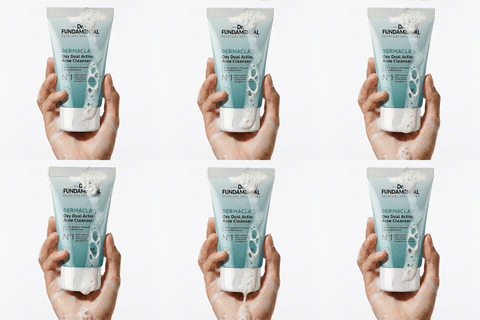
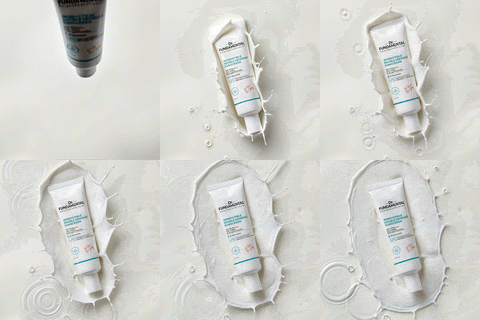
👉 If you’re looking for a practical option, Dr. Fundamental Dermaclar Oxy Acne Cleanser (2.5% Benzoyl Peroxide) is designed to support acne reduction, control excess oil, and fit easily into a simple daily routine without overcomplicating things.
Common Mistakes to Avoid
Sometimes, it’s not the product—it’s how we use it.
Here are a few common mistakes:
- Washing your face too frequently
- Skipping moisturizer because your skin is oily
- Using too many active ingredients together
- Expecting instant results
Keeping your routine simple usually gives better long-term results.
Final Thoughts
If you’ve been struggling with breakouts, switching to a targeted cleanser for oily skin can make a noticeable difference. A benzoyl peroxide face wash doesn’t just clean—it helps your skin improve gradually with consistent use.
Instead of chasing multiple products, focusing on the right basics can actually get you better results.