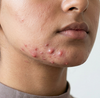


If you have acne-prone skin, moisturizers can feel confusing.
One product feels too heavy.
Another doesn’t hydrate enough.
And sometimes, the thing that’s supposed to “repair your barrier” ends up making your skin feel greasy or congested 😭
That’s why many people with oily or acne-prone skin avoid moisturizers completely. But ironically, skipping moisturizer can sometimes make your skin even more irritated, dehydrated, or breakout-prone.
This is where a good ceramide moisturizer can make a real difference.
Instead of aggressively targeting acne, it focuses on something equally important—helping your skin stay balanced and supported.
What Are Ceramides & Why Does Your Skin Need Them?
Ceramides are naturally found in your skin barrier. Think of them like the “cement” that holds your skin cells together.
When your skin barrier becomes weak, you may notice:
- Tightness
- Irritation
- Redness
- Dehydration
- Increased sensitivity
And yes… even oily skin can have a damaged barrier.
This usually happens from:
- Over-exfoliating
- Using too many actives
- Harsh acne products
- Skipping hydration
That’s why barrier repair products have become so popular recently. Many skincare users online mention that simplifying routines and using ceramide-focused moisturizers helped calm irritated skin over time.
Does a Ceramide Moisturizer Help Acne-Prone Skin?
Short answer: yes, it can.
But not because ceramides “treat acne” directly.
A ceramide moisturizer helps by supporting your skin barrier, which can become compromised from acne treatments or over-cleansing.
When your barrier feels healthier, your skin may:
- Feel less irritated
- Handle active ingredients better
- Look less inflamed
- Stay hydrated without feeling stripped
👉 This is especially important if your skin feels oily and dehydrated at the same time (which is more common than people realize).
Why Acne-Prone Skin Still Needs Moisturizer
A lot of people think:
“My skin is oily, so I should avoid moisturizer.”
But oily skin can still be dehydrated.
In fact, stripping your skin too much can sometimes make oiliness feel worse. That’s why choosing the right moisturizer for oily acne prone skin matters more than simply avoiding moisturizers altogether.
The goal isn’t to make your skin feel dry.
The goal is balance.
What Makes a Moisturizer Better for Oily & Acne-Prone Skin?
Texture plays a huge role here.
People with acne-prone skin usually prefer moisturizers that:
- Feel lightweight on skin
- Absorb comfortably
- Don’t leave heavy residue
- Layer well with sunscreen or acne treatments
Online skincare discussions often show the same pattern—users want hydration and barrier repair without the greasy or suffocating feeling some moisturizers leave behind.
That’s why modern barrier repair moisturizers focus on balancing hydration with comfort.
Where Does Panthenol Fit Into This?
This is where things get interesting.
A 5% Panthenol moisturizer for acne prone skin doesn’t just hydrate—it helps support skin comfort and recovery.
Panthenol (Vitamin B5) is commonly used because it helps:
- Support skin hydration
- Soothe dryness and irritation
- Improve overall skin comfort
- Work well alongside active-based routines
When combined with ceramide-focused barrier support, it creates a moisturizer that feels more practical for acne-prone skin instead of overly rich or greasy.
Barrier Repair Is Becoming More Important in Skincare
Over the last few years, more people have started realizing that not every skin problem needs a stronger active ingredient.
Sometimes the issue is simply an overworked skin barrier.
You’ll even notice this shift in skincare communities—many users who overused acids or exfoliants later focused on barrier repair products to calm irritation and rebuild skin comfort.
That’s why ingredients like:
- Ceramides
- Panthenol
- Barrier-supportive hydrators
are becoming more common in routines for oily and sensitive skin too.
Choosing the Right Ceramide Moisturizer
A good ceramide moisturizer should feel supportive—not overwhelming.
Look for something that:
- Works for oily or combination skin
- Feels comfortable for daily use
- Supports barrier repair
- Layers easily with acne products and sunscreen
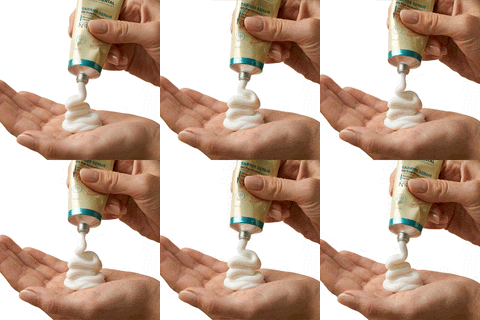
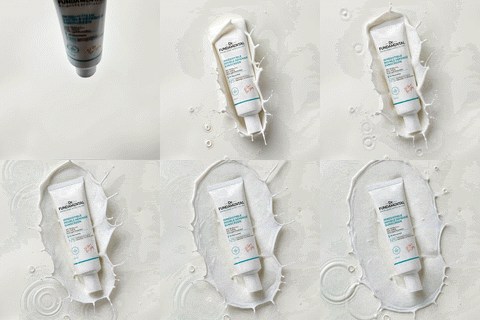
👉 If you’re looking for a balanced option, Dr. Fundamental N0.4 Barrier Repair Oil-Free Moisturizer is designed for oily, combination, and acne-prone skin with barrier-focused hydration and 5% panthenol support—making it easier to moisturize without the heavy greasy feel many people try to avoid.
Common Moisturizer Mistakes Acne-Prone Skin Makes
Sometimes the problem isn’t moisturizer itself—it’s how we choose or use it.
Common mistakes include:
- Skipping moisturizer completely
- Using harsh acne products without barrier support
- Choosing textures that feel too heavy
- Applying too much product
👉 A moisturizer should support your routine, not fight against it.
Final Thoughts
So, does a ceramide moisturizer help acne-prone skin?
Yes—but not by acting like an acne treatment.
It helps by supporting your skin barrier, improving hydration balance, and making your skin feel more comfortable overall.
And honestly, for oily and acne-prone skin, sometimes calmer skin is exactly what leads to better-looking skin over time.